


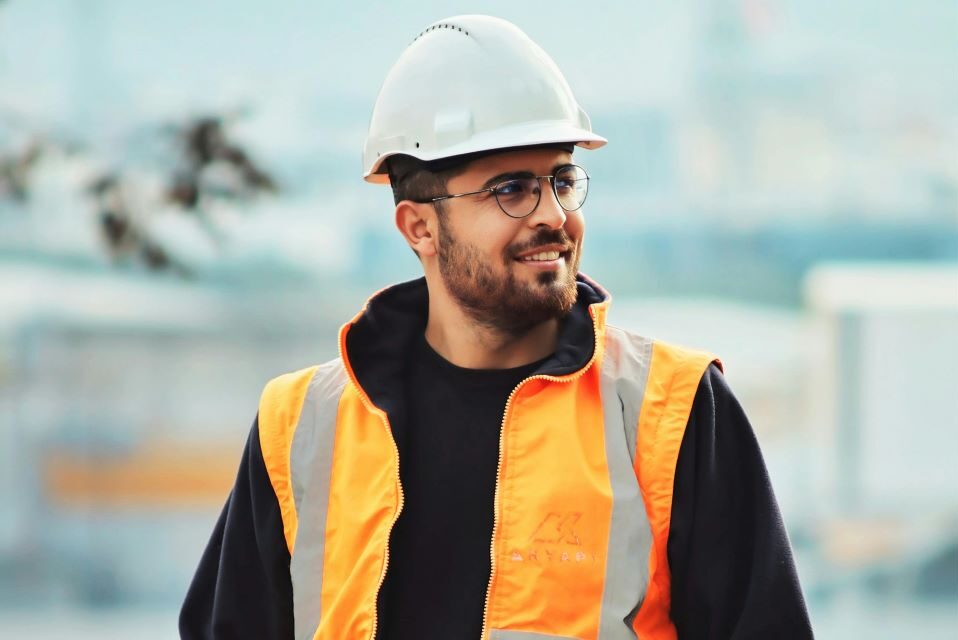
The Big Mental Health Report by Mind has found that almost half of men say they would feel embarrassed seeking professional help for a mental health problem. For leaders, this makes one thing unmistakably clear. That’s prioritising wellbeing, rather than seeing it as a nice-to-have or something to address only when a crisis hits. It is a core health and safety responsibility.
Speaking openly about mental health must become the norm for men, not a taboo topic. This can start with creating workplaces where support is visible and asking for help is seen as a strength.
Mental health in male-dominated industries
In male-dominated industries, stigma remains one of the biggest barriers to men getting support. Construction is an example of this, with 85% of the workforce made up of men, many still feel they should cope in silence, and male construction workers are almost four times more likely to die by suicide than the national average for men. This is not just a sector issue, it highlights a wider cultural problem.
If we are serious about protecting our people, tackling stigma must come first: normalising conversations, challenging the idea that asking for help is a weakness, and creating workplaces where men feel safe to speak up long before they reach crisis point. Construction shows what is at stake, but the responsibility sits with every industry.
How can we protect our workforces?
Protecting employee wellbeing starts with creating environments where people feel valued, and where bullying or exclusion is never tolerated. Often, it is the smallest actions that make the biggest difference: a check-in, a conversation or simply knowing who to turn to when things feel difficult.
Organisations like Mind and Mates in Mind are helping to drive this shift, but it is something every employer must take responsibility for. Leaders play a crucial role in normalising conversations about mental health and ensuring support is visible and accessible through counselling, helplines, and employee assistance programmes.
Wellbeing training and mental health first aiders can help managers spot early warning signs, while practical steps, from flexible scheduling to workload reviews, can reduce burnout. Practical actions such as team get-togethers or celebrating milestones all help to ease pressure and build a sense of belonging.
Men’s mental health in the workplace needs urgent action
Embedding mental health metrics into health and safety reporting, reviewing policies such as absence, performance and sick pay through a wellbeing lens, and giving line managers structured tools to support regular conversations all help strengthen early intervention. It is also essential to ensure contractors and subcontractors have equal access to the same support networks as directly employed staff.
Working closely with HR professionals to discuss policies and innovative approaches helps drive improvement and keeps wellbeing firmly on the agenda. Protecting our workforce is not about a single initiative, it is about creating a culture where people feel safe to speak up long before they reach a crisis point.
Turning mental health awareness into everyday action
Creating workplaces where men feel able to speak openly about their mental health will not happen overnight, but every organisation has the power to move the dial. Change starts with consistency and everyday behaviours that show people they are valued and supported.
When leaders model openness and when policies are matched with genuine care, we not only protect our workforce, we strengthen it. Men should never have to choose between coping in silence and keeping their jobs. The real measure of progress will be evident when asking for help is entirely normalised, and no one feels they must reach breaking point before speaking up.