


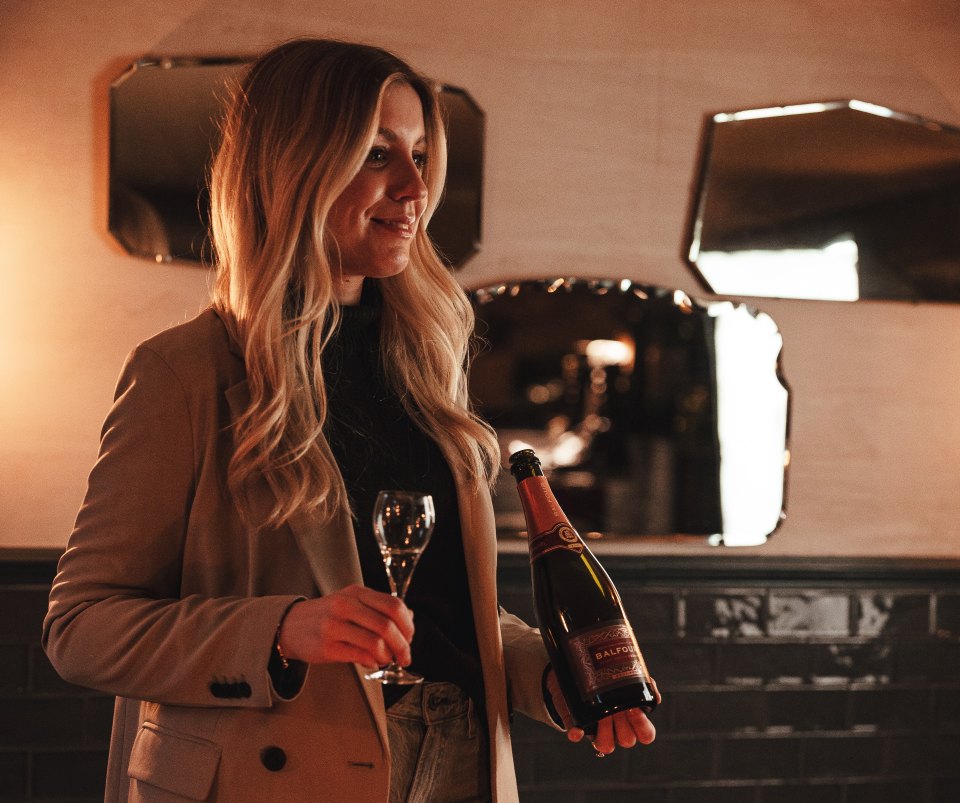
Balfour Hospitality brings together an award-winning winery in Kent, a small collection of country pubs close to home, and a couple of well-placed outposts in London. The common thread? English wine. PA Life speaks to Amie Rozan, Head of Events at Balfour Hospitality, who gives us an incredible insight on their venues…
Since 2002, Balfour Winery has been helping to shape the modern English wine story, quietly collecting awards, and winning over international sommeliers and wine professionals who now look to Kent with genuine interest rather than polite curiosity.
Each pub, hotel and restaurant is shaped by its surroundings and the people who run it, with an emphasis on thoughtful cooking, good hospitality and wines that make sense on the table.
What’s possible for 10 people vs 50 with your venues?
With ten people, the emphasis is on intimacy: private rooms, long tables, good light, and the kind of service that lets conversations unfold rather than stick to an agenda. It works well for board-level meetings, strategy days or workshops.
At fifty, the energy shifts. The spaces lend themselves to a more social rhythm. Drinks that turn into dinner, structured moments followed by informal ones, and enough room for people to circulate rather than sit still. The common thread is flexibility: the venues are designed to feel purposeful without ever tipping into corporate theatre.
Going into 2026, corporate event planners increasingly prioritise wellbeing. How do your country inns or pubs support rest, creativity, and connection beyond formal meetings?
The short answer is that they remove people from the environments that exhaust them. Country inns and pubs offer a slower pace by default: natural light, decent food, walks between sessions, and evenings that don’t require another taxi queue or inbox refresh. There’s space for thinking as well as talking, whether that’s a conversation continued over a glass of English sparkling, or ideas that surface somewhere between a meeting room and the bar. Wellbeing, in this context, isn’t a programme; it’s an absence of pressure.
Why are UK pubs and boutique hotels particularly good for corporate business?
Because they’re built for people, not presentations. Pubs and boutique hotels have an informality that lowers defences and encourages better conversations, without sacrificing professionalism.
They’re also culturally fluent spaces: familiar enough to feel comfortable, distinctive enough to feel considered. For corporate groups, that balance often leads to more honest discussion, stronger relationships, and events that people remember for the right reasons, not just the slide deck.
Tell us about your corporate experiences at the winery
The winery offers something slightly different: a sense of place that’s both working and quietly impressive. Corporate events can move between vineyard and winery, from tastings and tours to private dining and structured meetings, all anchored in the reality of how the wine is made. It’s particularly effective for groups who want substance as well as setting. Being among the vines or inside the winery naturally prompts questions about craft, time and decision-making, themes that translate well into leadership days, client hosting or team celebrations.
Your portfolio includes London venues as well as countryside inns. How does location influence the type of corporate event you host?
London venues tend to attract events that value immediacy: shorter gatherings, client entertaining, post-work dinners, or meetings that need to slot neatly into a working day. The city brings momentum and convenience, along with a sharper, more time-conscious energy.
In the countryside, events are given room to breathe. They’re often longer, more reflective, and designed around staying put rather than moving on. The change of pace encourages deeper engagement, not because anyone is told to connect, but because the setting quietly does the work for them.
PA Life’s Recommended Suppliers are a great place to start searching for your upcoming projects and events.