



Venues have more in common with the humble Easter egg than you might think, especially when it comes to enhancing experiences, as Lynnette Crisp, Director of Communications & Public Engagement at The Historic Dockyard Chatham, explains. Have you ever noticed how the smallest details often leave the biggest impression? From hidden references in films to subtle touches in everyday spaces, these “Easter eggs” reward curiosity and create a sense of discovery.
A little goes a long way
Have you ever watched a film or TV show and spotted a carefully placed visual cue or touch that made you feel like you’ve discovered an inside secret? These small details are so increasingly common on our screens that there’s even a timely name for it: the Easter egg. Put simply, it’s a subtle nod that rewards loyal, attentive viewers and deepens their emotional connection to what they’re experiencing.
Sound familiar? The concept of the Easter egg is something venues have been championing for decades, adding in those small but memorable touches that help make events and venues that little bit extra special and more interactive.
But don’t be fooled by the name. Easter eggs for the events industry are anything but seasonal. Incorporated correctly, they can create moments of genuine surprise and delight all year round, turning ordinary experiences into ones that linger in the memory long after the event has ended.
What makes a good Easter egg?
For starters, it needs to feel authentic and reflective of your brand. Quirky surprises are enjoyable, but the real value comes from creating moments that tell a story and enrich the visitor experience.
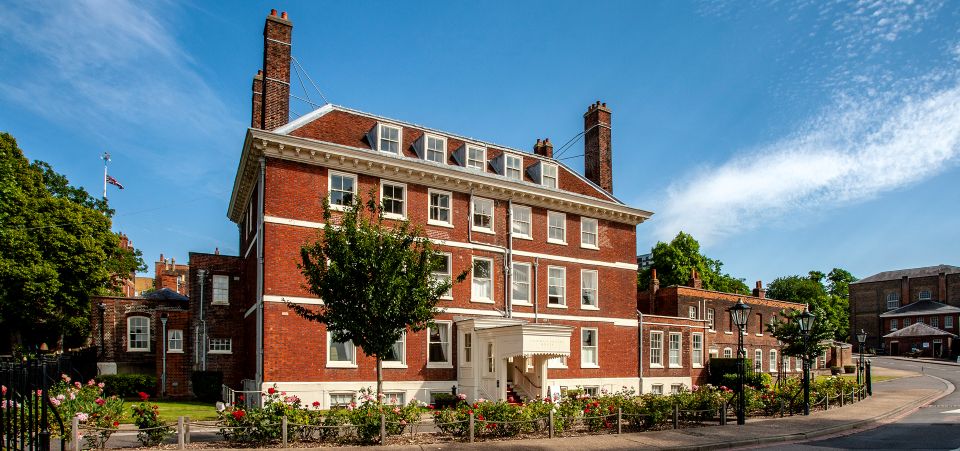
Inspiration can come from the strangest of places, which is something we certainly found during our recent restoration of The Commissioner’s House built in 1704 at The Historic Dockyard Chatham, with the discovery of a Jack of Spades playing card beneath the floorboards dating back hundreds of years.
With the support of the Worshipful Company of Playing Card Makers, we discovered that the card dates back to around 1725, likely when the house was inhabited by Captain George St Lo, the Resident Commissioner of the Dockyard at the time.
Along with being used as a playing card, its unique curve and deliberate cuts along the top edges suggest it was also used as a brush of sorts, often used in magic tricks. In a sense, the card mirrors what our venue is all about: designed for multiple uses, flexible and full of stories. It’s a link between the historical and the modern, a perfect encapsulation of our brand and venue.
The discovery of the card encouraged us to take a deeper look into the house’s history and ways to bring its fascinating story to life for our guests. For example, visitors can now see original pieces of William Morris wallpaper from the 1880s, including the ‘Willow Bough’ design, alongside others that will be on display.
Another wonderful discovery during the renovations was a letter from James Grieveson, a carpenter who worked on the Commissioner’s House back in 1905. The letter was discovered within one of the building’s fireplaces, purposefully hidden there to be discovered many years later.
Getting guests talking
All these items – and many more – will be proudly displayed when The Commissioner’s House re-opens this June. They are set to be wonderful conversation starters, key when it comes to crafting an effective Easter egg – you want it to get people talking because talking points generate word of mouth, a key component to the success of any venue.
The discovery of the playing card in particular has already generated a lot of interest, with visitors frequently asking about its origin and usage. More than that, it has sparked renewed interest and curiosity in the Dockyard’s history.
Great storytelling, after all, is about experience, so we are now weaving our Easter eggs into our operations, for example, with the introduction of a Jack of Spades cocktail – a fun way to bring the story to life and tap into senses beyond just the visual.
Finding your egg
Now you may be thinking, “My venue doesn’t have a piece of history under the floorboards!”
The great thing about Easter eggs is that they are not limited purely to the historical. Start with your story: what makes your venue unique? Is there something quirky you could tap into, or a local connection that could be explored?
Anything that piques interest and enhances the guest experience in unexpected ways can be categorised as an Easter egg, so it’s about finding something unique to your venue and tailoring that to your audience. What’s more, these creative twists aren’t solely reliant on size or cost, making them excellent considerations for independent or smaller venues looking to make their mark.
Whatever it may be, ensure it is authentic. A good Easter egg is natural and not forced. Aim for something that guests will notice and remember after the event is over. It may take some adapting and tweaking, but the best Easter eggs are those that continue to grow and develop over time, becoming woven into the fabric of your offering.
At a time when experience is more important than ever in the world of events, incorporating an Easter egg is a fun and exciting way to elevate the storytelling of your venue, spark engagement and help ensure that your events are that little bit more… egg-straordinary.
See more of PA Life’s Easter round ups here.