

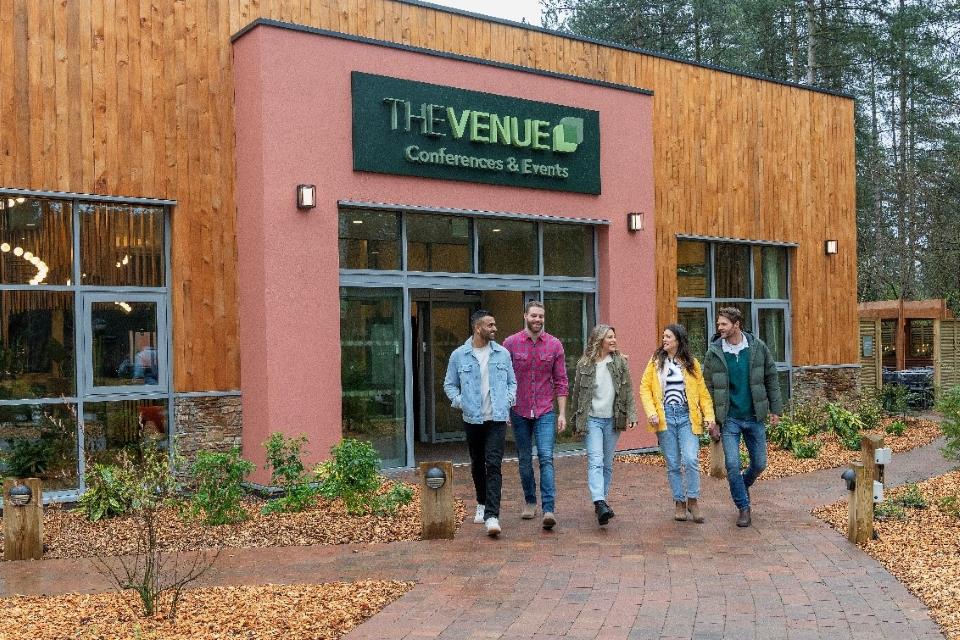
As many as one in three neurodivergent workers feel that their event needs are not catered for well enough. New research from Center Parcs Conferences & Events released to mark Neurodiversity Celebration Week (16-20 March), shows that the appetite for work events among neurodivergent employees is strong and growing, but more needs to be done to accommodate their needs…
It’s welcome to see that almost half (42%) of delegates with neurodiversity state that they have attended more event over the last three years. However, almost one in three (30%) say their employer doesn’t cater to their needs at events.
Julia Green, Head of Corporate Events at Center Parcs Conferences & Events, says: “Our research indicates a positive shift in awareness for differing employee needs based on increased attendance from neurodivergent employees in the past few years. Neurodiversity Celebration Week is a timely reminder for organisers to reflect on whether their events, communication, and workplace culture genuinely make everyone feel welcome and included. As we know from our research that an overwhelming majority (94%) say attending work events positively impact how they feel about their everyday job, contributing to a more engaged, confident, motivated and connected workforce.”
The impact of work events on how you feel about your everyday job
| They help me build stronger relationships with colleagues I don’t usually work closely with | 40% |
| They help me improve my collaboration with colleagues | 37% |
| They make me more engaged with my work | 34% |
| They reduce stress or improve my wellbeing | 34% |
| They make me more informed about my organisation/industry | 33% |
| They make me more motivated at work | 30% |
| They make me more confident in my role / ability | 26% |
| They help me make new friends | 24% |
| They increase my trust in leadership or management | 24% |
| They give me a greater sense of loyalty to my organisation | 21% |
| No positive impact / Not sure | 6% |
Source: Question 17 of Center Parcs’ Conferences & Events Work Survey (2026)
Neurodivergent and disabled workers feel less safe at work events
According to Center Parcs Conference & Events’ research, over one in 10 (11%) of neurodivergent workers that reported to have a disability generally feel unsafe at work events.
Looking closer at what matters most to neurodivergent workers, almost half (47%) rank “feeling safe and comfortable” as a top feature of a great work event, while 40% of those with a disability cite “accessibility and inclusivity”, compared with just 20% of their non-neurodivergent peers.
Against this backdrop, the most commonly attended workplace events among neurodivergent employees are Summer and Christmas parties (59%), training days (55%) and team building or company away-days (43%). The findings suggest that events centred around structured learning, shared experiences and opportunities to connect with colleagues are the most prevalent, highlighting the importance of designing these environments so neurodivergent employees feel safe, comfortable and able to participate fully.
| Event Type | Neurodivergent |
| Summer / Christmas parties | 59% |
| Training days | 55% |
| Team building / company away-days | 43%
|
| Conferences / seminars | 37% |
| External / networking events | 22% |
| Industry awards | 18% |
| Galas and dinners | 17% |
| Incentive travel | 8% |
| Product launches | 8% |
Source: Question 4 of Center Parcs’ Conferences & Events Work Survey (2026)
Neurodivergent employees value nature-based events
The research also highlights natural environments as a particularly valuable setting for work events for neurodivergent employees. The majority (72%) say they find events held outdoors or in natural settings more appealing and almost one in five (19%) selected “natural or outdoor environment” as one of the most important features of an event.
“Nature has a uniquely calming effect. When you step away from a traditional, stuffy conference room and into a natural setting, it can ease many of the sensory and social pressures that make typical corporate events feel overwhelming,” added Julia.
“For neurodivergent attendees in particular, that change in environment can be transformative, allowing everyone to take part and enjoy the event comfortably as their authentic selves. This is reflected in our research, which shows just how important wellbeing is for neurodivergent employees with a large majority (89%) saying it should be a central part of workplace events, highlighting that supportive and inclusive experiences truly make a difference.”
As organisations work to build more inclusive cultures, the events they host represent powerful – but often overlooked – touchpoints. Getting it right means ensuring invitations reach everyone, designing experiences with safety and comfort in mind, and choosing settings that naturally support a wider range of needs.
The Brain Charity, a leading UK organisation that specialises in neurodiversity in the workplace, highlights the importance of this approach on its website: “Creating inclusive workplaces isn’t just about compliance, it’s about recognising and celebrating the diversity of human brains. Successful inclusive environments create distinct zones serving different neurological needs from quiet, controlled focus zones to movement spaces that support energy regulation. When we provide people with control over their environment, we enable them to perform at their best.”
Find out more information on the types of events and conferences Center Parcs offers.
We are delighted to have Julia Green as PA Life’s wellness columnist.