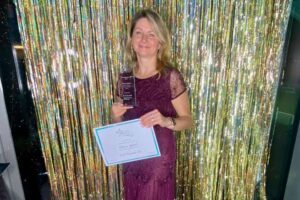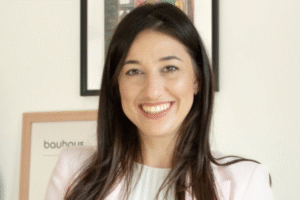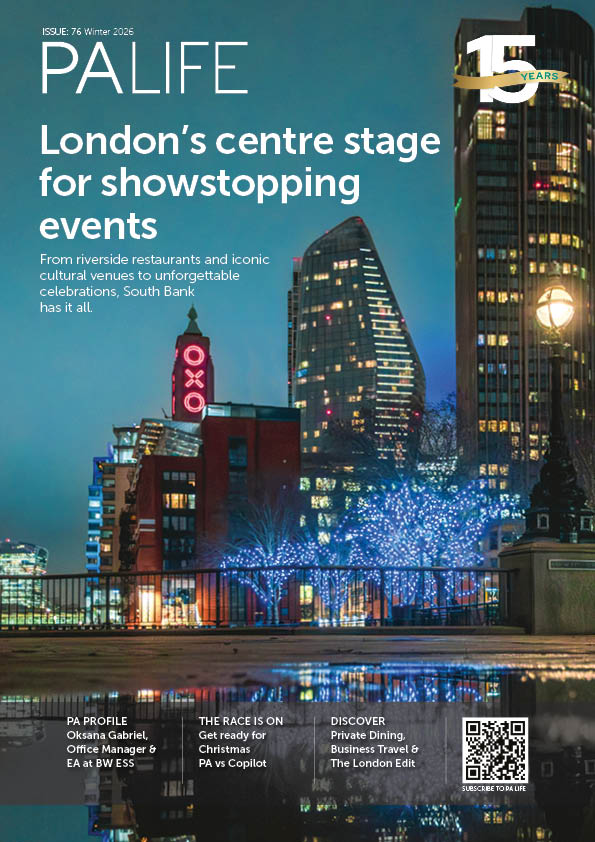



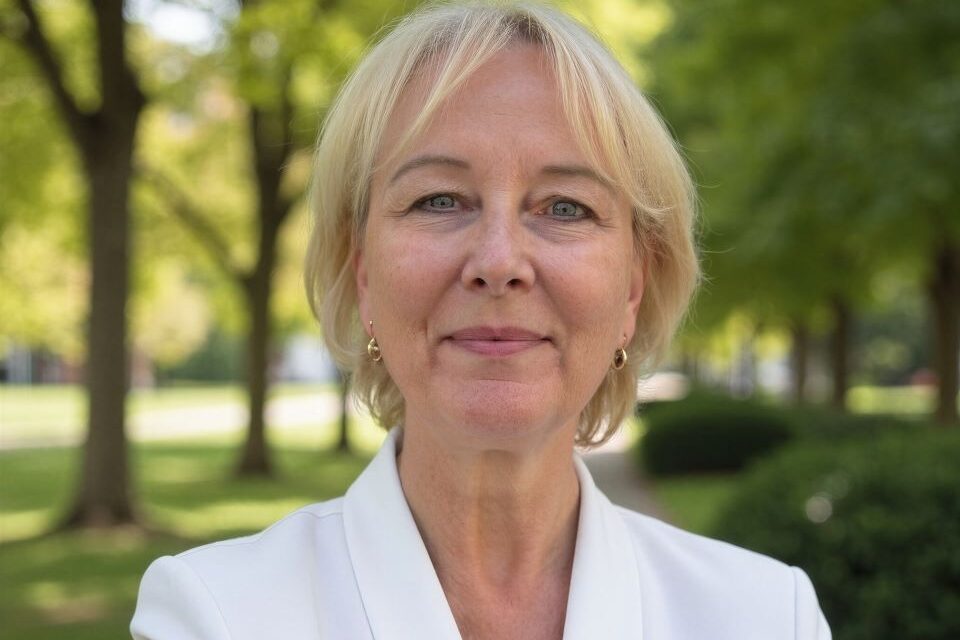
We are delighted to have Juliet Tolley, Executive Support Manager to Director General at the Home Office, as our latest Amazing Assistant. In this series of interviews, we speak to outstanding assistants to mark PA Life’s 15th anniversary year. We will be marketing the occasion at PA Life Summit on 14 September – there is still time to join us for the drinks reception 4:50-6pm…
How and when did you first learn about PA Life?
I first learned about PA Life back in 2012, through a local PA network based in Sussex. We were looking to advertise for new members and PA Life were so supportive. They advertised our Sussex PA network group in their magazine, put us in touch with several key contacts and invited us to join their next event. Suffice to say, I joined up and the rest is history!
-
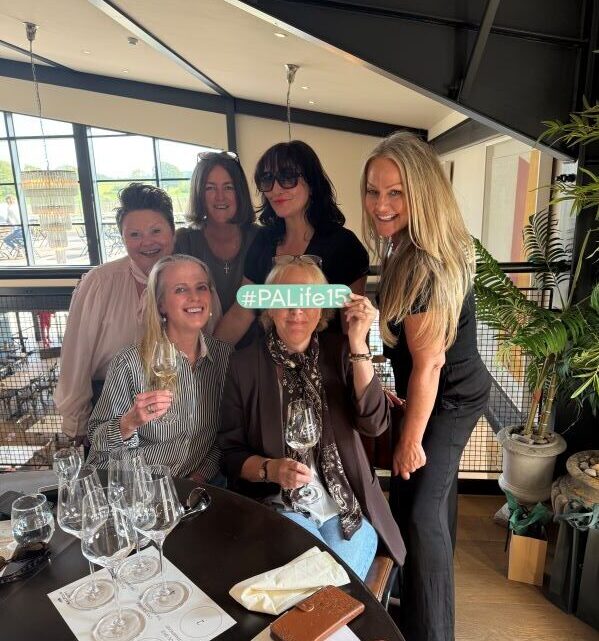
- Juliet on a PA Life Club FAM Trip
-
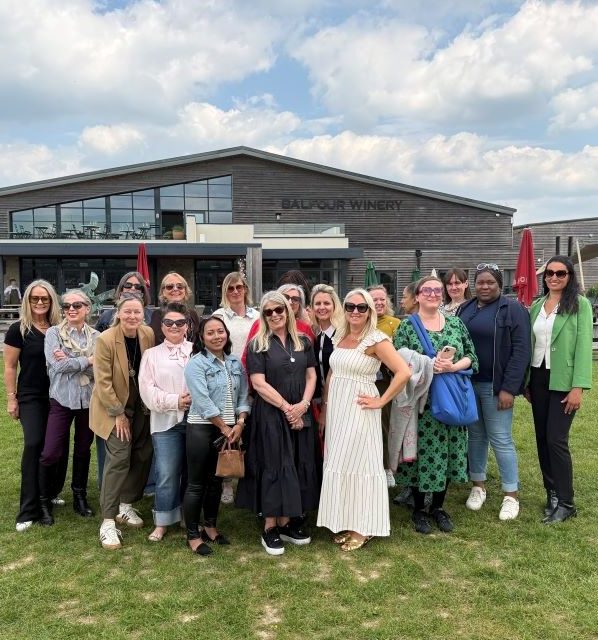
- Juliet at Balfour winery with PA Life
What are your best memories of PA Life so far?
Where do I start! Firstly, meeting and making friends with so many amazing PAs along the way … we have so much fun together, you know who you are! Some of my best memories have been staying in beautiful Cambridge, visiting a vineyard in Kent and getting stuck on the train back so we just opened our wine! Going back to school and enrolling in University, visiting the post office museum in London – we went on an old tiny train down a tunnel to see the underground sorting offices! And of course, the PA Life Christmas Parties, they are legendary!
You have worked at the Home Office nearly six years, what motivates you to stay?
The Home Office is an incredible place to work, from day one of joining I have felt valued, respected, and empowered. My colleagues work hard and are so supportive, the work we do is important and what I do really matters, so I always feel motivated to do a really good job. There is so much opportunity to learn, you are encouraged to actively seek ways to better understand the wider Home Office, its systems, leadership approach and the context in which senior leaders operate.
I undertook Border Force Officer training to see firsthand our frontline digital capabilities and was deployed at airports to help during summer holidays. I joined the PA Private Office cover scheme and have supported the Migration Minister, the Security Minister and the Home Secretary during busy periods. I have enabled front‑line operational visits across the UK, and managed internal workshops including the rollout of digital transformation – all giving me valuable operational and ministerial exposure.
The Home Office is ahead of the curve when it comes to embracing its workforce skills and talents. I have been recognised for my EA skillset and have been onboarding and mentoring PAs for many years now. As well as writing a business support digital handbook, I have introduced a series of diary coding workshops across Government Private Offices, helping assistants and diary managers set up and successfully implement diary coding in their own areas. At the forefront of this workshop was bringing the Private Offices together, upskilling and standardising diary colour coding. Now, during busy holiday periods we can ensure assistants transition seamlessly across Private office teams to help with crucial diary cover, maintaining a consistent high level, quality administration service.
As well as diary workshops, I set up inbox management sessions, again sharing the colour coding and flag systems to help busy EAs action or allocate effectively the various communications received.
To support this area further I now run One-Note sessions where private offices can create shared pages in One-Note to store information centrally for their DG to review upcoming meetings, travel documents and papers. We also use a standard evening note template across private offices, where anything we need to flag, or query can be reviewed by the DG in slower time.
I am incredibly fortunate to be working in such a supportive and inclusive environment, being able to learn new skills, whilst sharing my own is the biggest motivator for me and hugely rewarding!
What have been the biggest changes in the assistant role since you entered the profession?
I think without a doubt the PA role has become much more versatile, with PAs being recruited in at team level to cover much more ground, or supporting 2 or 3 executives across several functions, or getting involved in larger project works.
Higher up C-Suite has become much more Private Office focussed, with a team of PA specialists ranging from the PA, the private secretary, the diary manager, and the events team. I’ve also seen now PA roles advertised requesting some form of business degree or a foreign language. All these are positive signs that the PA profession is no longer viewed as a luxury or purely an administrative function. Instead, PAs are increasingly recognised as specialist business partners who contribute to decision-making, support wider operational efficiency, and play a vital role in helping their executives achieve their objectives.
Have peer networks such as the PA Life Club influenced your personal and professional development?
Absolutely! It was at a PA Life seminar about 10 years ago where I met Rosemary Parr from Global PA Association & Training Academy; it literally changed my life. I was looking to apply for a new PA role and was struggling ‘on paper’; I felt the need to validate the skills and knowledge I had gained through my day-to-day work experience with a recognised academic qualification. I had a fantastic conversation with Rosemary and enrolled through Global PA Association to study at Birkbeck University London for Executive PA Business Management – Strategy and Business Planning. I also went on to study the Global PA Association’s PA Masterclass in Leadership & Management. These qualifications really helped boost my confidence and my CV, which definitely gave me the edge when applying for future PA roles.
What impact do you think PA Life has had on shaping the UK assistant community?
PA Life has given the PA community a voice, a place to go and a platform to learn and grow. When I started my career, there were no PA groups, it could feel quite isolating being a PA in a C-Suite, not linked to a team and unable to confide in colleagues about work processes or issues as most of what we did was Board related or confidential. PA Life bought together a community of likeminded professionals, sharing skills and knowledge and supporting each other through shared work-related experiences. It is a demanding role being a PA. The work is so varied and unpredictable, and you cross over so many areas be it HR, IT, Marketing, event management, and of course telepathy! Being able to meet in this way and connect with other PAs about day-to-day challenges and have them relate to your experiences provides valuable support, shared understanding, and the best solutions.
What sets PA Life and the PA Life Club apart from other assistant networks and professional communities?
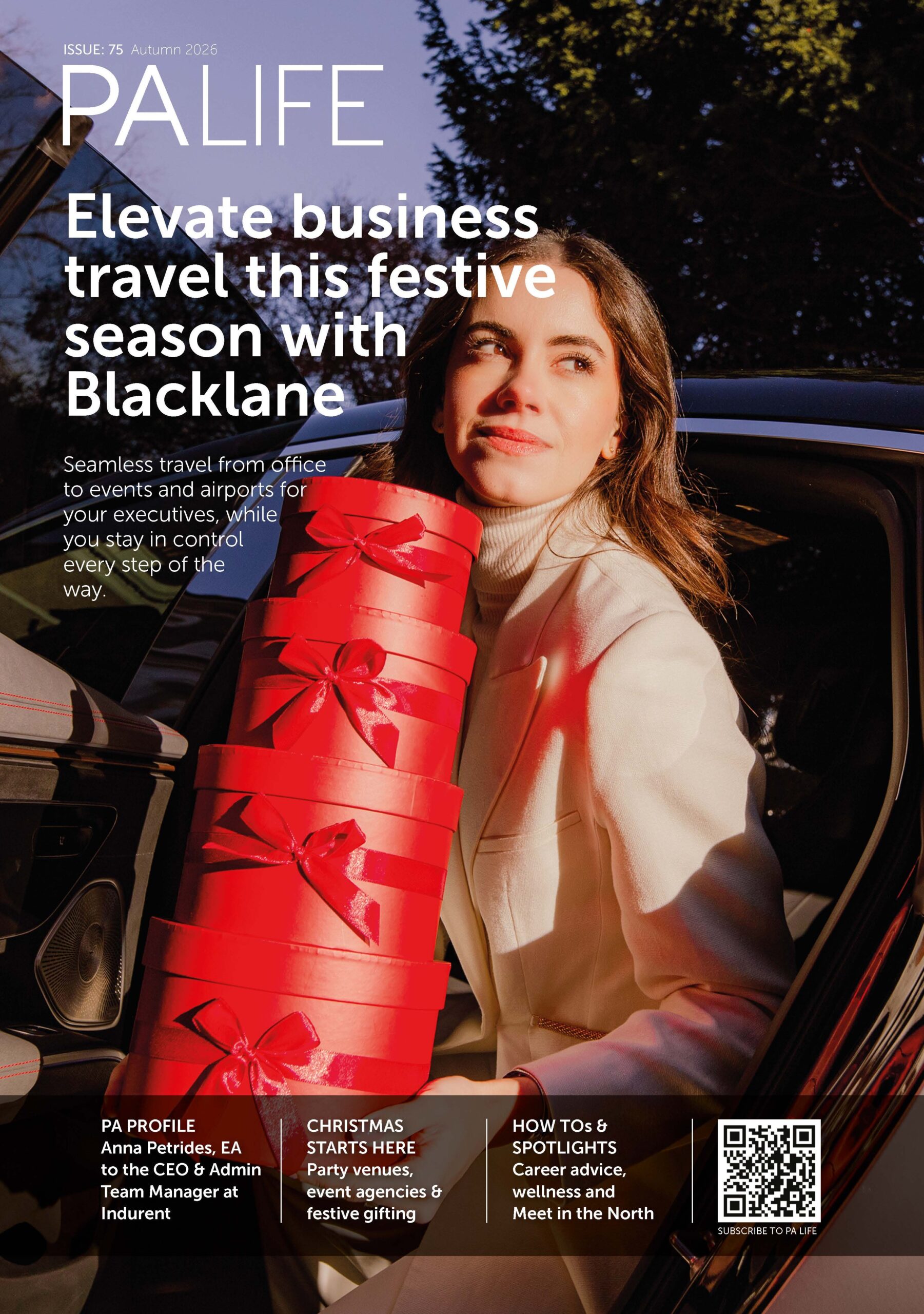



I just love the PA Life magazine, I really look forward to it, such a great read, I make sure I’m sitting down comfortably with a huge mug of coffee and I’m in! It is always full of interesting articles, interviews and showcases the best venues and services. For PA Life Club it has to be the quality seminars, venues and events. The FAM trips are amazing, the events are so well organised, and they have the best speakers and service providers attending which create the perfect environment for networking and learning. But of course, I am always in awe of the team at PA Life, how much they do for us and how they champion the PA community, they are the real heroes. What a great 15 years they have had!
Looking to the future, where can assistant networks add the most value?
I think firstly the training connections and star speakers at PA Life Seminars definitely continue to add the most value. There are a lot of very expensive miscellaneous training courses flooding the PA community, but very few meaningful certified courses. PA roles are also changing and becoming more competitive.
PA Life excel when it comes to running seminars, they always have the best trainers and inspirational speakers who give genuine, best advice. Having this opportunity to meet, to speak face to face and connect with the best at these events is crucial in deciding which learning options or career choices are not only good value but meaningful.
Are you worried that AI will reduce the need for EAs and PAs?
I’ve been asked this a lot and can only say having used Copilot regularly in my day-to-day tasks AI has definitely enabled me to work more efficiently. It saves so much valuable time, particularly in drafting complex emails, creating and editing meeting materials, or summarising lengthy reports. With these smart ways of working, I feel that rather than replacing the PA role, AI will empower us to be even more effective, have more time to contribute at a more senior level and add even greater value to our roles. What I do think is AI will always need the human eye to review and validate its output. More importantly what AI can’t give is the emotional intelligence, sound judgement, and personal touch that only a PA can provide!
How do you see your role changing over the next five to ten years?
Again, I think both AI and other new technology in the workplace will see my role change but definitely for the better. Being able to use these tools to work more efficiently and focus on higher-value tasks can only mean that we will see PAs elevated into more senior Executive Management roles, overseeing the day-to-day running of offices, driving operational efficiency, and acting as strategic partners to senior leaders. We already see PAs moving into Chief of Staff and office management roles, and I have often thought that a PA will make a brilliant Chief Operations Officer. Who knows, maybe that’s what we will be known as in the next 10 years!