


PA Life talks to Catherine Benford, General Manager at 10 Union Street near London Bridge about what makes the venue unique and worth knowing about as an event organising EA or PA.

Catherine Benford
What makes 10 Union Street different from other London event venues?
The combination of historic character, contemporary design, impressive technology, and genuinely flexible event spaces – all in one central London Bridge location – are key components of us being able to offer a venue with a difference.
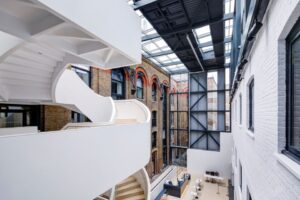
The architecture of the building is one of the biggest selling points. The flexibility of the space we offer allows us to host anything from small meetings to large scale conferences.
The AV throughout the venue makes organising events hassle free, and we even have our own podcast recording facilities onsite.
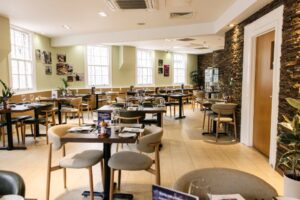
Food is an important part of any event and we offer seasonal menus with locally sourced produce with the help of our venue caterers Graysons Venues.
Finally, the location couldn’t be more convenient – we are a short walk from London Bridge and Borough stations, and Borough Market only moments away.
What types of corporate events and occasions is 10 Union Street particularly suited to?
10 Union Street is a particularly strong choice for businesses looking for a venue that can accommodate both the professional and social sides of corporate events. Its biggest advantage is its versatility: a company could host a conference in the Main Hall, run breakout workshops in the smaller rooms, bring everyone together for a networking reception in the Atrium and finish with a dinner or celebration – all within the same building.
Practical advice on room layouts, catering, timings, and AV at corporate events
The key to getting the most out of 10 Union Street is to plan the event around how guests will use the different spaces, rather than simply choosing a room based on capacity. The venue has 13 flexible spaces, moveable partitions, integrated AV and in-house catering making it possible to create a complete event experience, from arrival and registration through to presentations, networking, and dining.
Choosing the right room layout – the layout should work for the purpose of the event, so how interactive is your event, what are you trying to achieve.
Catering is one of the most important aspects of the experience for most guests. We try to get the timings perfect to allow you to get the best out of your event.
Timings can make a significant difference to the guest experience. It is important to allow time for registration, refreshments, and movement around the venue. My advice is to always build in an extra 15 minutes at the end and to allow for over-runs from guest speakers.
One of the major strengths is the integrated AV, particularly in the main hall where we have dedicated technicians on site to support with the event.
Before your event we send you a checklist to ensure every detail has been considered, giving you confidence that your event will run smoothly from start to finish.
-
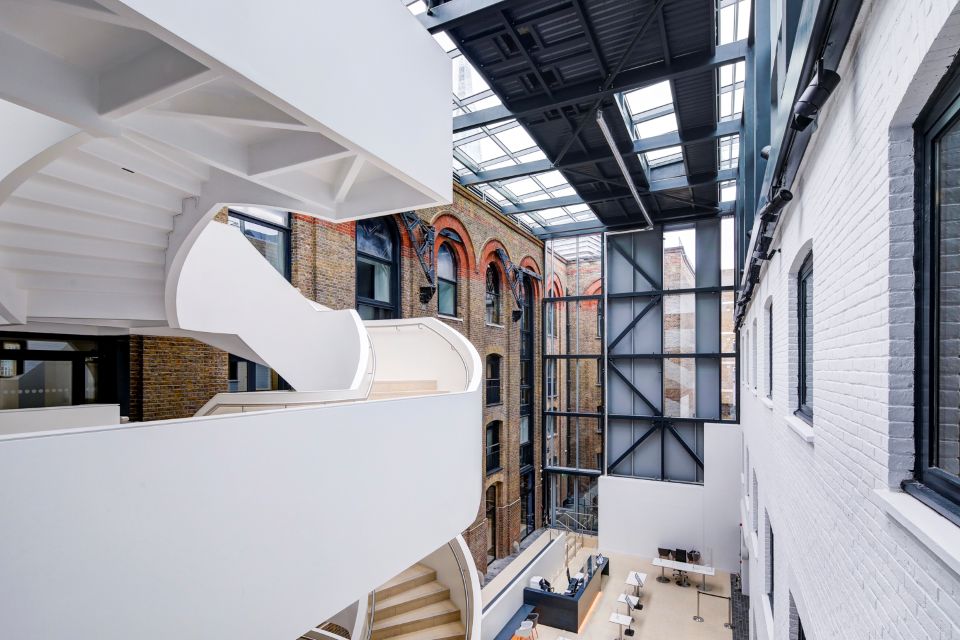
- Atrium, 10 Union Street. Photo by Matt Chung.
-
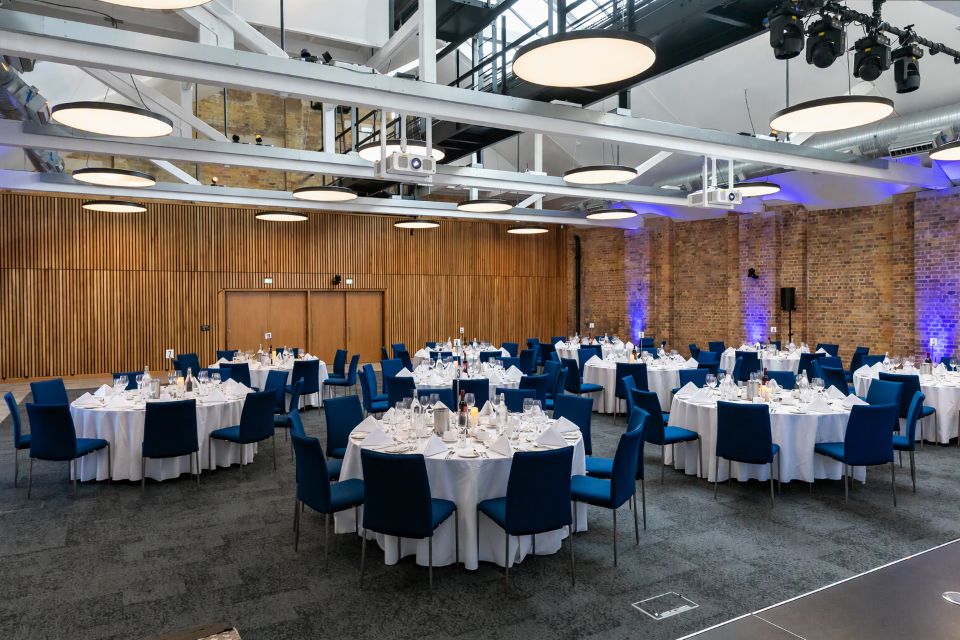
- The Hall, 10 Union Street
-
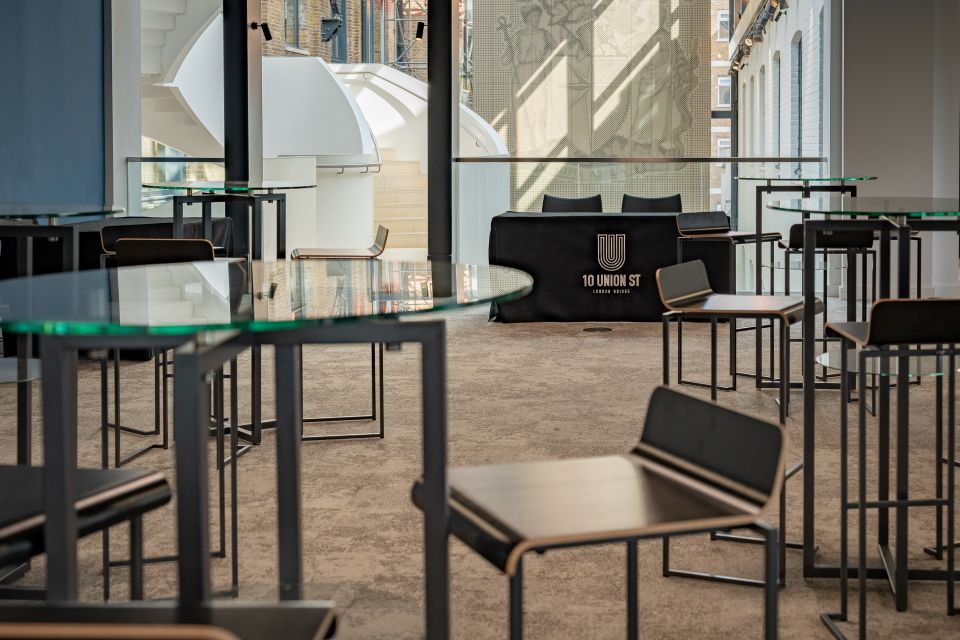
- Breakout areas at 10 Union Street
What EAs, PAs and other event organisers should ask before signing a venue contract
There is always more to a venue than a contract!
My top tips are:
- Check the maximum capacity of your chosen room and discuss contingency plans if numbers exceed the agreed limit.
- If you require early access for set-up or access the evening before your event, confirm this with the venue as early as possible. Some venues may have restricted opening hours. For example, we open at 7am.
- Review your proposal carefully to ensure you know what is included and identify any additional services or costs that may apply.
- Check whether AV equipment and technician support are included in your package and understand any charges for additional equipment or services.
- Cancellation terms vary between venues, so make sure you understand the policy, key deadlines and any charges that may apply.
One insider tip Catherine wishes every first-time event organiser knew
My biggest insider tip for a first-time event organiser or new venue would be to always do a complete walk-through of the event as if you were a guest.
For an EA or PA organising an occasional corporate event, what are the most important things to consider when choosing a venue?
My top 10 things to consider when choosing a venue:
- The suitability for the event
- The capacity and the flexibility
- Catering and refreshments
- Technology and AV facilities
- Event support
- Accessibility of the venue
- Presentation and atmosphere
- Contract terms
- Practical logistics
- Contingency plan
Getting the most from your venue enquiry:
When an organiser first approaches a venue, what information should they have ready to help the venue team put together the best possible proposal? Are there any common things organisers overlook at this early stage?
The more information that can be provided at the start the better it is, the events team can recommend the right space and put suitable packages together and make the proposal accurate. We don’t need every detail but it’s helpful to understand your event and your priorities.
The key things to include in the event brief are:
- The type of event
- The dates and are they flexible
- Estimated numbers
- Rough timings for the day
- Budget
- Potential room layouts and syndicate rooms
- AV requirements
- Special requirements
- The overall feel of the event
Making your budget work harder:
Budgets are often tight, and event organisers are under pressure to deliver something memorable without overspending. What advice would you give on getting the best value from a venue booking? Where can organisers save money, and where is it worth investing a little more?
Getting the best value from a venue is not always finding the cheapest one. I believe start with your priorities for the event and establish what is important for the event, for example if you are organising a large conference great AV and a comfortable room might be more important than an elaborate high ceilinged room.
Another way of saving money is considering the day of the week and the time of year, venues often have lower rates on a Monday and Friday and be up front about your budget as it helps the venue to be realistic about the options.
Look at what is included as sometimes a higher price can work out more effective once you add all the individual prices together. You can then compare and look at the total cost along side the quality and the offer.
Finally, consider the guest experience as they notice things like no coffee after lunch!
The details that make an event successful:
From your experience in hospitality and venue operations, what are the most common mistakes you see corporate organisers make? What are the small but important details that can make the difference between an average event and a really successful one?
The most common mistakes we see is underestimating the importance of timings, by this we mean not allowing enough time for everything to happen. Sometimes not communicating enough with the venue, we often find something on the initial enquiry hasn’t been recapped and it gets missed. Leaving menu decisions till the last minute, as this adds pressure for you getting all the details that the venue requires.
Always have a run through to reconfirm all the details and understand the deadlines as it makes the planning simpler.
The small details I would encourage everyone to think about is a warm welcome with arriva,l refreshment with comfortable space to break or network.
Something I would emphasise is the venue team should feel like an extension of your own team. The best venue team anticipates your needs and offering solutions before you need anything.
Building a great relationship with your venue:
How can EAs, PAs and Office Managers get the best out of their relationship with a venue team, both during the planning process and on the day itself? What makes someone a great client to work with from a venue’s perspective?
A good relationship between an EA, PA or Office Manager and a venue team should feel like a partnership. You bring an understanding of the company, its people, and the event objectives, while the venue brings hospitality expertise, operational knowledge, and experience of what works well. When both sides work together, the planning process becomes easier, problems are resolved more quickly, and the result is usually a much better event.
I think the best clients aren’t necessarily those with the biggest budgets or the most straightforward events. They’re the people who are professional, considerate, communicative and understand that delivering a successful event is a team effort. When a venue team understands your company, your expectations, your preferred way of working and the standard you need to deliver, future events become much easier to organise.
Ultimately, it’s not just about booking a venue. It’s about building a relationship with people who can help make every event a success.
Insider tips and future trends:
Having worked in hospitality and venue management for many years, what changes are you seeing in the way companies use event spaces? Are there any emerging trends, new expectations or practical tips that occasional event organisers should know about when planning their next meeting, conference or corporate celebration?
I think corporate events have changed quite significantly over recent years. Companies are becoming much more thoughtful about why they bring people together. One of the biggest changes is that companies are increasingly looking for venues that offer an experience, rather than just a functional meeting space.
We are seeing companies moving from a traditional meeting room followed by a formal dinner to a venue with different spaces for presentations, informal discussions and a networking reception. The traditional boardroom setup certainly still has its place, but companies are increasingly exploring alternative layouts and are looking for spaces that can transition during the day. Technology has become an important part of event planning, even when the event itself is entirely in person. We are noticing that recording sessions are becoming more popular and it is more than having a laptop in front of a screen. Environmental considerations are increasingly part of corporate event decisions. We pride ourselves on using local produce and being sustainable.
I think the biggest change is that companies are becoming more selective about the events they organise. People are busy, budgets are under pressure and attendees increasingly expect a good reason to give up their time to attend. That means the focus is moving away from simply organising an event and towards creating something genuinely worthwhile. The venue plays a huge part in that. The right environment can encourage collaboration, strengthen relationships, inspire creativity, and make people feel valued.
But it’s important to remember that you don’t need to follow every trend to achieve this. Sometimes the most successful event is a relatively simple one: a beautiful space, excellent hospitality, good food, a well-planned agenda, and the opportunity for people to spend quality time together.
You can find out more about events and 10 Union Street here.
We are excited to have 10 Union Street and Graysons Venues as the venue partner for this year’s PA Life Christmas Party & Star Awards.