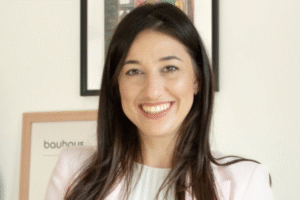



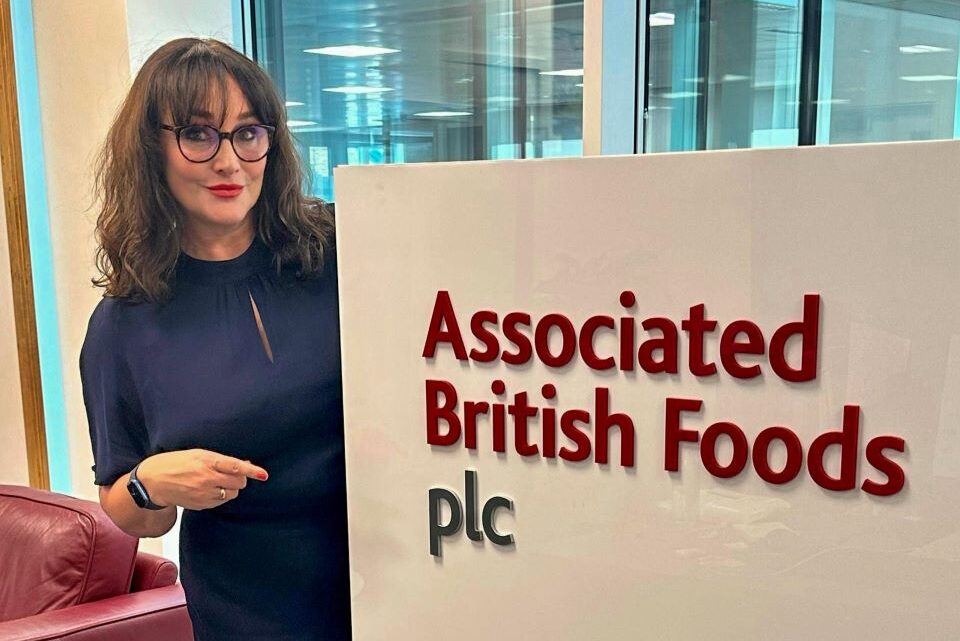
We are delighted to have Hannah Houston-Banks, Executive Assistant to George Weston, Group CEO of Associated British Foods, as our next Amazing Assistant. In this series of interviews we speak to 15 outstanding assistants to mark each year of PA Life’s successful run to date…
When did you first learn about PA Life?
I was rather late to the party. I discovered this wonderful community when life returned to something resembling normality after the Covid lockdowns.
Although I joined later in my career, I quickly realised how valuable it was to have a welcoming space where assistants could connect, share experiences and support one another.
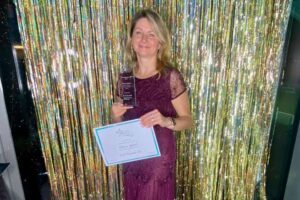
You have been a great supporter and contributor to PA Life over the years. You were featured in the PA Profile in the Summer 2023 issue and won Mentor Star at the PA Life Star Awards in 2024.
What are your best memories of PA Life so far?
Winning Mentor Star was a huge honour and such a lovely surprise.
I am often seen as a social and networking leader, “Hannah is a lot of fun”, is a phrase I have heard more than once! So it meant a great deal to be nominated by my peers and recognised for something perhaps a little more grown-up.
Thankfully, it is entirely possible to be both.
What made the award especially meaningful was that mentoring is something I do because I genuinely care about helping others. Watching someone gain confidence, recognise their value or take the next step in their career is enormously rewarding.
How did you land your first assistant role, and how long did it take you to reach your current Senior EA position?
How many PA Life readers can remember working in the 1980s?
I suspect I was hired because I was considered reasonably presentable, could walk in a heeled shoe and had a well-spoken Cheltenham accent, which has softened considerably after many years of living in London, although some may disagree!
It was a Gen Z hiring nightmare: no lengthy competency framework, no online assessment and certainly no five-stage interview process.
Thankfully, once I was through the door, I was recognised for my work ethic, attitude and ability. I progressed quickly and have spent most of my adult working life supporting people at board, C-suite and UHNW level.
My career has never followed a carefully mapped route. It has developed through hard work, curiosity, resilience and a willingness to take on responsibility. Each role taught me something new and prepared me for the next, even when I could not see it at the time.
What have been the biggest changes in the assistant role since your early days?
The greatest change has been the evolution of the Personal Assistant from a largely administrative role into, in many cases, a trusted strategic partner.
When I began in the late 1980s, a young female PA was expected to type, take shorthand, manage a paper diary, answer telephones, maintain immaculate filing systems. The role demanded accuracy, discretion and efficiency, but it was often regarded as supportive rather than commercially important. Let’s not forget, for some bosses the tea making was our true raison d’être!
Technology has transformed the profession. Typewriters, carbon copies and fax machines have been replaced by digital platforms, virtual meetings and instant global communication. While many traditional tasks have disappeared, the pace, complexity and expectation of immediate responsiveness have increased enormously.
Diary management itself has become strategic. Supporting a UHNWI who leads a FTSE 50 company means balancing corporate leadership, private responsibilities, family matters, philanthropy, international travel and highly sensitive relationships. The role requires sound judgement around priorities, access, timing, risk and reputation.
The modern senior assistant is no longer simply a gatekeeper. She, or he, is often a sounding board, problem-solver, source of continuity and trusted confidante.
My own career reflects the profession’s journey: from secretary to PA, from PA to Executive Assistant and, ultimately, to strategic right hand. The tools have changed beyond recognition, but discretion, anticipation, resilience, loyalty and judgement remain at the heart of exceptional support.
Have peer networks such as the PA Life Club influenced your personal and professional development?
Coming into the world of PA and EA networks later in my career gave me an opportunity to stop and reflect on how far I had come and feel proud of what I had achieved.
Even the most experienced assistants can suffer from imposter syndrome. Honest conversations with PA Life members have reminded me that none of us has everything worked out, regardless of our title or years of experience.
Being a sounding board for others has also given me greater clarity about my own journey. Mentoring and sharing experiences have helped me recognise where I add the greatest value, what I enjoy most and where I am happiest at this stage of my career.
Sometimes, helping someone else see their strengths allows you to recognise your own.
What impact do you think PA Life has had on shaping the UK assistant community?
I genuinely believe PA Life has brought the UK assistant community closer together. It has created a welcoming space where PAs, EAs and Virtual Assistants can learn, connect and feel recognised.
Through its magazine, events, awards and networks, PA Life has championed the profession, celebrated success and reminded assistants that they are valued, influential and never working alone, even when they may physically work alone or remotely.
That sense of visibility really matters. Assistants often work behind the scenes, quietly making everything happen and PA Life helps bring those contributions into the light while giving the profession a stronger collective voice.
-
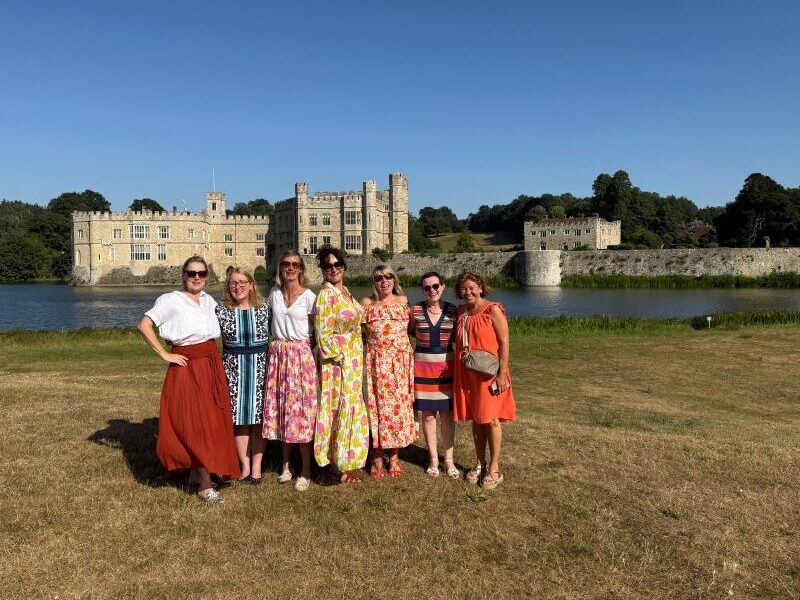
- At a PA Life Club FAM Trip to Leeds Castle
-

- Hannah at Silent Pool
-

- Mountain biking at Hurtwood Hideout
What sets PA Life and the PA Life Club apart from other assistant networks and professional communities?
For me, it is the genuine sense of community at its heart.
PA Life feels supportive, personal and centred on the development and connection of assistants at every stage of their careers. It does not feel like a concierge service whose main purpose is to sell access to members or their contact details.
People want to feel that they belong to a community, not that they are simply sitting in somebody else’s database.
That authenticity, trust and genuine interest in the profession are what make PA Life special.
Looking to the future, where can assistant networks add the most value?
Assistant networks can add the greatest value by supporting assistants at every stage of their careers, from those entering their first role to experienced EAs, private PAs, Virtual Assistants running their own businesses and future leaders.
They should provide a safe space for honest conversations, practical learning and genuine connection. Assistants need somewhere they can discuss challenges without judgement; ask the questions they may not feel able to ask at work and learn from people who truly understand the role. This is especially important for Virtual Assistants, who may not have a team around them or access to the informal support of a traditional office.
Access to mentors is also incredibly valuable. A good mentor can help someone build confidence, recognise their strengths, develop their career or business, navigate change and avoid feeling that they must work everything out alone.
The strongest communities will not promote one version of success. They will recognise that every assistant’s ambitions, circumstances and career path are different.
Are you worried that the number of EA and PA positions will be reduced?
I understand why people are concerned that AI may reduce the number of roles, but I also see considerable opportunity.
Technology will undoubtedly remove or streamline some routine tasks. However, it cannot replace judgement, discretion, emotional intelligence, relationship-building or the ability to anticipate what an executive or principal needs, sometimes before they know it themselves.
The strongest assistants will use AI to work more efficiently and create space for higher-value responsibilities. It can support research, communication, planning and administration, but the assistant must still apply context, experience and common sense. As we all know, common sense remains remarkably difficult to automate.
AI should encourage the profession to keep evolving, with greater emphasis on problem-solving, influence, relationships and trusted partnership.
It will change the role, but used well, it may ultimately strengthen and elevate the assistant profession rather than diminish it.
How do you see your role changing over the next five to ten years?
Through the greater use of AI and technology, but I do not believe that every assistant wants, or needs, to become a strategic business partner.
There must be space for different ambitions and different definitions of professional success.
In private households and traditional PA roles, technology may streamline administration while allowing assistants to devote more time to personal service, organisation, discretion, household coordination and relationships. These are highly skilled roles, and they should never be viewed as less valuable simply because they are not labelled “strategic”.
For others, technology may support a move towards more operational, commercial or Chief of Staff-style responsibilities.
The future of the profession should offer a variety of paths rather than a single, fashionable definition of progress. What matters is that assistants are respected, properly developed and able to build careers that reflect their strengths, interests and ambitions.
After nearly four decades in this profession, I am more certain than ever that while the role will keep evolving, our greatest strength will always be how we support, champion and lift one another.
Joining PA Life Club is free for business support professionals – find out more, and sign up here.