

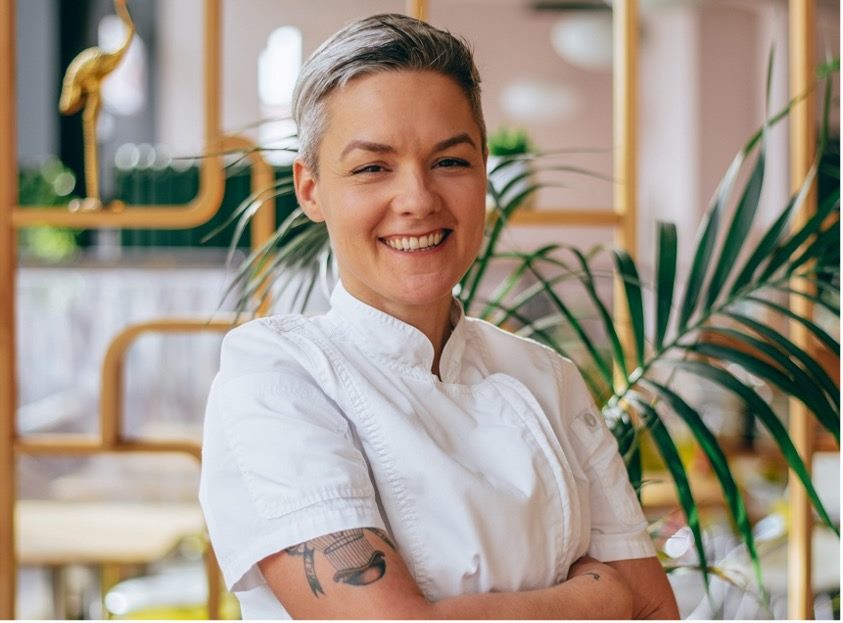
With nearly three decades of plant-based cooking experience, Sarah Wasserman is the Director of Food & Brand at Mildreds and Mallow, leading the food identity of one of London’s most established plant-based restaurant groups…
Both restaurants serve fully vegan menus year-round, so January isn’t a shift for the team; it’s simply a moment when more people are curious about what plant-based eating can offer.
Where do you find your inspiration when developing dishes for Mildreds and Mallow?
“My inspiration comes from global cooking and the way different cultures work with vegetables, grains and pulses. I travel a lot, but London is just as important. Walking through markets, tasting what’s in season and paying attention to what people are currently craving gives me more ideas than any trend report. My aim is
always to make plant-based food feel natural, generous and straightforward, and global flavours help me do that.”
What is it about January that makes diners more curious about plant-based food?
“January is when people feel open to trying something new. Because we cook this way every day, nothing changes for us, but it’s a chance for new guests to see how broad plant-based cooking can be. Many arrive expecting to compromise, then realise they don’t need to. It’s often the month when people discover the style of food we’ve been cooking for years.”
Which ingredients do you rely on most in the winter months?
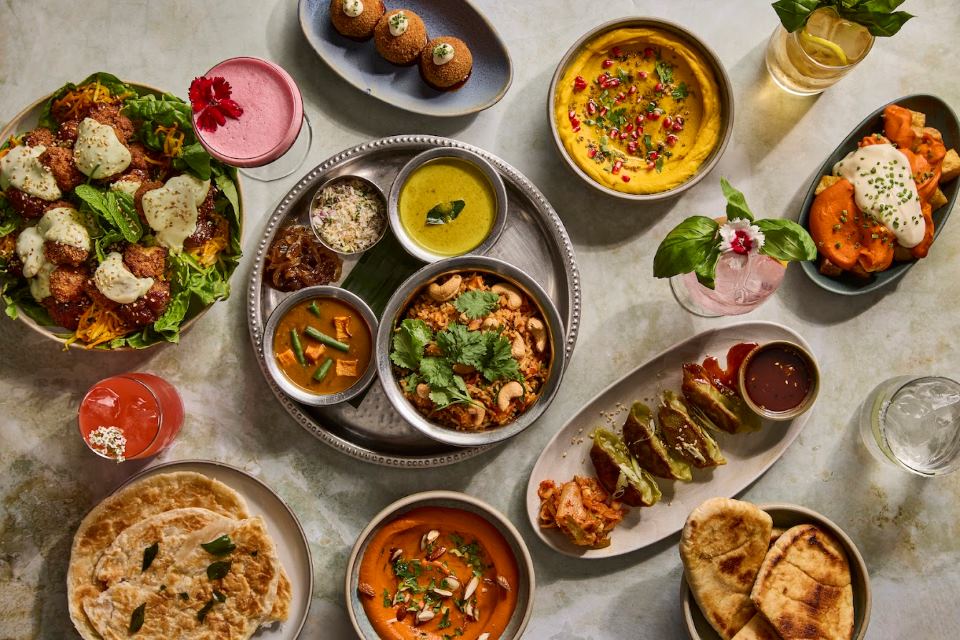
“I tend to lean on ingredients that already run through both Mildreds and Mallow menus but naturally suit colder weather. At Mallow that often means things like swede, squash, celeriac, root vegetables that we roast or slowcook, and the deeper flavours in dishes like our butter-bean stew or red onion jam. At Mildreds we use plenty of warming elements such as gochugaru, miso, tamari and ferments, which work well with winter greens and grains.
These ingredients give us enough structure and comfort for the season without making the food feel heavy.”
-

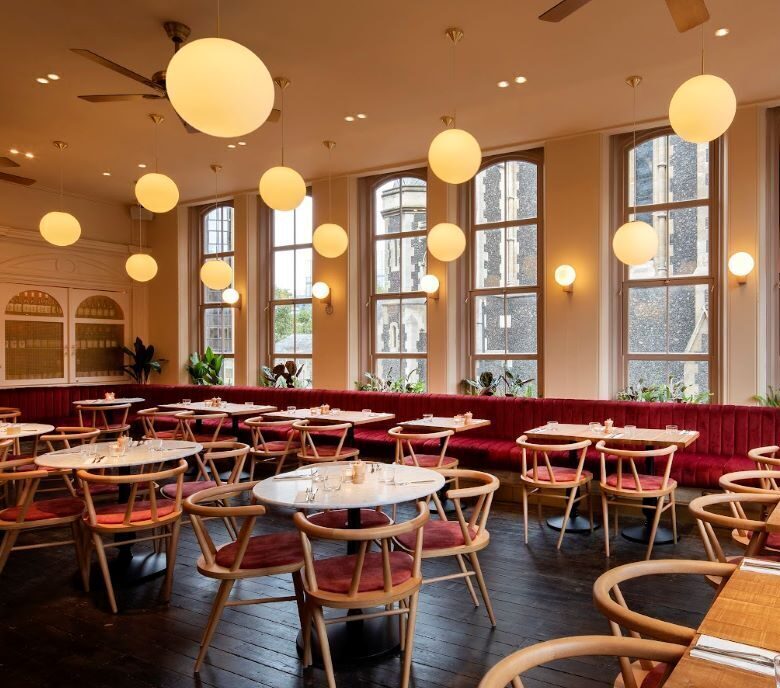
- Mildreds Soho

-

- Mallow at Borough Market
Are there specific techniques that help plant-based ingredients shine?
“Roasting and charring brings out depth in vegetables, marinating helps them take on more flavour, and slowcooking pulses gives them a better texture.”
What common mistakes do people make when cooking plant-based at home?
“Many people overcomplicate it. Plant-based cooking works better when you focus on clear flavours and a good balance. Under-seasoning is a common issue, and so is forgetting about texture. A touch of acidity, a well-made sauce or something with crunch can pull a dish together. Once people pay attention to those details, the cooking becomes much easier.”
What’s a simple plant-based dish you like to cook at home in January?
“I often cook in the same style as our Easy Vegan cookbook. One of the recipes that sums this up well is our Pepper Chick’n Enchilada Roja. It’s a straightforward dish built around peppers, shredded plant-based ‘chick’n’ and a chilli-led roja sauce. The sauce uses rehydrated dried chillies blended with stock and passata, so it has plenty of character without being complicated. The whole thing comes together with warm corn tortillas and whatever fresh toppings you have to hand. It’s a good example of the way we like to cook at home: simple steps, bold flavour and ingredients people can find easily.”
What advice would you give someone exploring plant-based eating this January?
“Start with dishes you already enjoy and adapt them. Keep a small set of reliable ingredients in the kitchen and focus on seasoning and texture. Plant-based cooking becomes much more intuitive when you stay curious and avoid overthinking it. The best results come from keeping things simple and cooking with confidence.”