

Planning a conference or business event in Manchester? UK’s second largest city offers a huge choice of spaces, from large-scale conference centres and purpose-built event venues to hotels, cultural spaces and more unusual settings.
For PAs and EAs, having plenty of choice is useful, but it can also make the decision more difficult. The right venue needs to work for your guest list, your agenda and your budget, while making the day as straightforward as possible for everyone involved.
From classic conference rooms in Manchester to large-scale event spaces, here are the key things to compare before booking.
Think about scale first
Before getting carried away by impressive interiors or attractive packages, start with the practicalities. How many people are attending, and what does the event actually need?
A venue that works brilliantly for a 30-person leadership meeting may not be suitable for a 300-person conference. Equally, choosing a huge space for a relatively small group can make an event feel unnecessarily empty.
Think about the layout and the style of your event. Will delegates be seated in front of a screen for presentations, around tables for workshops or in smaller groups for breakout sessions? You may also need extra space or an additional room for registration, networking, exhibitions or refreshments.
When comparing conference venues in Manchester, ask about:
- Maximum capacity in different room layouts
- Number and size of breakout rooms
- Registration and reception areas
- Space for exhibitors or sponsors
- Private areas for speakers
- Networking and refreshment spaces
- Whether rooms can be divided or adapted
It’s also worth asking how flexible the venue is if your numbers change. Having some room to adjust can be invaluable when final delegate numbers are still being confirmed.
Look closely at access
Manchester is well connected, which makes it a practical choice for delegates travelling from across the UK and internationally. The city centre has several major railway stations, while buses and trams provide connections across the entire city and beyond. But good transport links don’t automatically mean every venue is convenient.
Consider how delegates will actually get to the venue. Is it within walking distance of a railway station? Is there a tram or bus stop nearby? What are the parking options? And if people are staying overnight, are there suitable hotels within easy reach?
For more information on getting to and around the city, Visit Manchester’s travel guide is a useful starting point. It’s also worth considering what delegates can do in the area for fun once the working day is over.
The Northern Quarter is probably the best neighbourhood for a mix of restaurants, cocktail bars and rooftop venues. The lively streets gear towards business crowds and after-work drinks, ideal for after-event networking or group dinners.
Compare technology
Technology is a super-important aspect of every conference, and can make or break an event, so don’t leave it until the final planning stages.
Ask exactly what equipment is included in the venue hire and what you’ll need to pay extra for. Depending on the event, you might need microphones, projectors, screens, staging, lighting, and other presentation equipment.
If you have guests dialling in remotely, check whether the venue can support online remote calls. Reliable Wi-Fi is essential, but so are suitable cameras, microphones and streaming capabilities.
It’s also worth finding out whether technical support is available on the day. Having someone on site who can deal with a microphone that suddenly stops working or a presentation that won’t load can save a lot of stress and allows you to focus on other aspects of the event.
Before booking, ask:
- What AV equipment is included?
- Is Wi-Fi available throughout the venue?
- Is technical support included?
- Can the venue support hybrid events?
- Are microphones and presentation screens provided?
- Can the venue accommodate staging and lighting?
- Can suppliers bring in their own equipment?
Don’t be afraid to ask for a full breakdown of what’s included. The initial quote you get isn’t necessarily cheaper if you then have to add essential equipment separately.
Catering
Catering is another area where venues can vary considerably.
Start by looking at what’s included in the package. Does it cover arrival refreshments, coffee breaks and lunch, or are these charged separately? If you’re planning an evening event, check whether the venue can also provide drinks, canapés or dinner and whether it’s sit down or buffet-style.
Dietary requirements should be discussed early, particularly if you’re organising an event for a large or international group. Ask how the venue handles allergies and specific dietary preferences, rather than simply assuming they’ll be accommodated.
When comparing catering, look for:
- Arrival refreshments
- Tea and coffee breaks
- Lunch options
- Dietary and allergy requirements
- Drinks and reception packages
- Evening catering
- Service style
- Whether catering is included in the delegate package
If food is an important part of the event, arrange a tasting where possible. It gives you a much better idea of what delegates can expect on the day.
Consider the level of service
Two venues can offer almost identical rooms and facilities but provide very different experiences for the organiser.
Before making a decision, find out who your main point of contact will be and how involved they will be throughout the planning process. Will they help with room layouts? Can they advise on timings? Will an event manager be present on the day to help with the smooth-running of the event?
For PAs and EAs, this support can be particularly valuable. You’re often coordinating speakers, senior executives, suppliers, attendees and internal teams at the same time – a responsive venue team can take some of the pressure off.
Ask:
- Who will be your main venue contact?
- Will you have a dedicated event manager?
- Is someone available on the day?
- Can the venue help with room layouts?
- Will the team coordinate with AV suppliers?
- How early can you and your suppliers access the space?
- What happens if requirements change during the event?
Don’t underestimate the importance of communication. A venue that responds quickly and understands your brief can make the planning process considerably easier.
Check what’s included in the hire price
When comparing conference venue hire in Manchester, look beyond the headline price.
A venue may appear more affordable but charge separately for AV, Wi-Fi, furniture, staffing, parking or additional room hire. Another may have a higher initial cost but include most of what you need in their package.
Ask for a detailed quote and check exactly what’s included before comparing prices.
It’s also worth asking about:
- Minimum number of people
- Deposit
- Cancellation terms
- Overtime charges
- Equipment hire
- Additional room hire
- Staffing costs
- Parking
- Supplier access and set-up fees
Having the full picture makes it much easier to compare venues fairly.
Think about the overall delegate experience
The practical details matter, but so does the atmosphere.
Consider what guests will experience from the moment they arrive – the first impression always counts.
- Is the registration area easy to find?
- Is there somewhere comfortable to wait before the event starts?
- Are the meeting rooms bright and comfortable? Is there enough space to move between sessions?
Accessibility should also be part of your initial venue search. Check for step-free access, accessible toilets, lifts and other facilities that delegates may require.
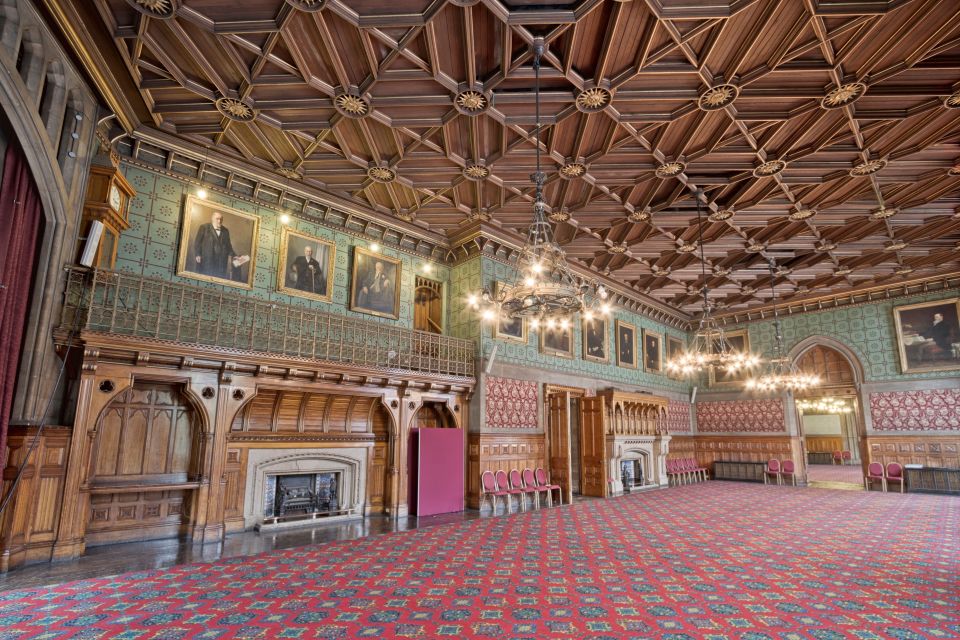
And think about the event itself. If you’re organising a high-profile company conference, check whether the venue provides the right vibe. A more distinctive space might help create a memorable experience, while a straightforward hotel conference room could be the better fit for a focused business meeting.
Create a venue comparison checklist
Once you’ve shortlisted your conference rooms in Manchester, putting the key details side by side can make the final decision much easier.
| What to compare | Questions to ask |
|---|---|
| Scale | Does the space comfortably accommodate your numbers and preferred layout? |
| Access | How easy is it to reach by train, tram, bus and car? |
| Facilities | What meeting and breakout spaces are available? |
| Technology | What AV, Wi-Fi and hybrid-event facilities are included? |
| Catering | What’s included and can dietary requirements be accommodated? |
| Service | Who is your main contact and what support is available? |
| Accessibility | Can all delegates access and navigate the venue comfortably? |
| Cost | What’s included in the hire price and what costs extra? |
| Flexibility | Can the venue adapt if your requirements or numbers change? |
| Delegate experience | Does the venue offer the right atmosphere and facilities for your event? |
Find the space that works for your event
Choosing between conference venues in Manchester isn’t just about finding the biggest room or the most impressive building. It’s about finding a space that works for the event you’re actually planning.
Start with scale and access, then look at technology, catering and service. Once you’ve established that a venue can meet the practical requirements, you can think about the smaller details that will make the experience more memorable for delegates.
For PAs and EAs, the best venue choice is ultimately one that works behind the scenes as well as it looks on paper – giving you the facilities, support and flexibility to run the event with confidence.
For more inspiration on the city and what delegates can do during their downtime, take a look at PA Life’s Manchester city guide.