


Fuel economy is a top concern for many drivers, especially those who rely on their vehicles daily. Fortunately, boosting your car’s fuel efficiency doesn’t mean you have to compromise on performance. With proper maintenance and smart driving habits, even a powerful car like a Volvo can deliver better mileage while maintaining its responsiveness.
Most drivers focus on engine tuning and tyres when considering fuel economy, but the condition of your brake system—particularly the brake discs—also plays a key role here. Brake discs generate friction to slow your car, but worn (or damaged) discs can cause drag that forces your engine to work harder, demanding much more fuel.
For Volvo owners, choosing the right brake discs made for your specific model is crucial. High-quality, well-maintained discs reduce unnecessary resistance and promote smooth driving, which helps improve fuel efficiency.
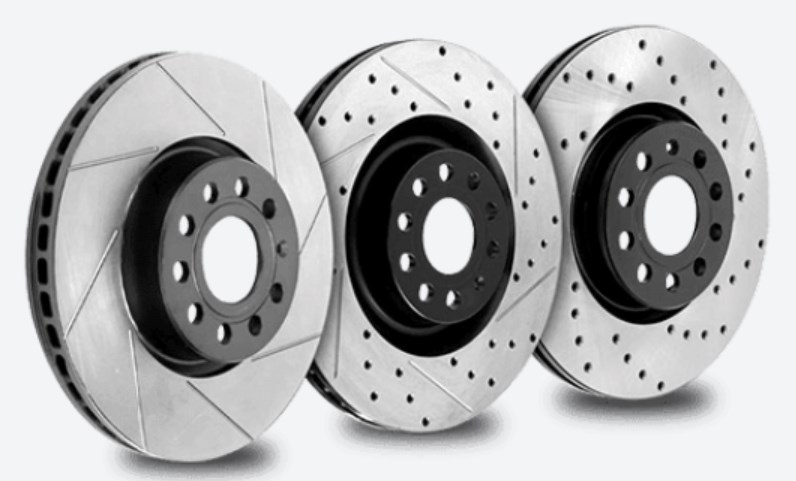
Signs your brake discs need replacing
Knowing when to replace your brake discs is essential. AUTODOC explains, “You should replace your brake discs and pads when they show clear signs of wear or no longer perform effectively. There is no exact mileage or time interval, as lifespan depends on the vehicle, driving habits, and road conditions. However, common warning signs include squealing or grinding noises, a spongy or vibrating brake pedal, reduced braking performance, or a warning light on the dashboard.” Addressing these signs promptly not only ensures your safety but also helps maintain optimal fuel economy by avoiding brake drag.
How to improve your car’s fuel efficiency without losing performance
-
Regular maintenance is key
Routine checks and upkeep of your brake discs, pads, engine, and other components are essential. Timely replacement of worn parts prevents unnecessary strain on the engine, helping it run efficiently.
-
Drive smoothly
Avoiding aggressive acceleration, sudden braking, and excessive idling reduces fuel consumption. By anticipating traffic and driving steadily, you minimise brake use and conserve momentum, contributing to better mileage.
-
Keep tyres properly inflated
Low tyre pressure increases rolling resistance, causing your engine to work harder. Maintaining correct tyre pressure improves fuel economy and tyre longevity.
-
Reduce weight and drag
Removing extra weight, such as unnecessary cargo or roof racks, makes acceleration easier and reduces aerodynamic drag, both of which help your car use less fuel. A roof rack can decrease your vehicle’s fuel efficiency. The decrease is around 10%. The exact impact varies depending on: design/model, load weight, and driving speed, obviously.
-
Monitor your speed
Driving at moderate, consistent speeds—especially on motorways—optimises fuel efficiency by minimising engine load and aerodynamic drag.
-
Use quality parts and fluids
High-quality brake discs and engine oils help ensure that your car’s mechanical parts work smoothly and efficiently. Investing in genuine or reputable aftermarket components can prolong vehicle life and enhance fuel economy.
-
Plan efficient routes
Combining errands into a single trip reduces overall distance travelled and fuel consumption.
The financial and environmental benefits
Maintaining your Volvo’s brake discs and overall vehicle condition offers more than safety and performance—it saves money. Better fuel efficiency means fewer visits to the pump, and less wear reduces repair costs.
Modern Volvos (XC40, XC60, XC90) feature technologies such as regenerative braking in hybrid models, which recycles braking energy back into the battery, further enhancing efficiency.
All of Volvo’s electrified models (EX30, EX90, EX40)—fully electric vehicles, plug-in hybrids (PHEVs), and mild-hybrids (MHEVs)—incorporate regenerative braking technology to improve efficiency and reduce wear on traditional brakes. This technology converts a vehicle’s kinetic energy into electrical energy, storing it in the battery to recharge it and boost the vehicle’s range and fuel economy, rather than wasting it as heat
Summing up: Improving your car’s fuel efficiency involves simple yet effective steps: keep tyres properly inflated to reduce resistance, use the right motor oil, and drive smoothly with gentle acceleration and steady speeds. Removing excess weight, minimising idling, and maintaining your engine regularly also boosts mileage without sacrificing performance, saving money and reducing emissions.
| Category | Action | Impact on Fuel Efficiency |
| Regular Brake Disc Maintenance | Ensure brake discs are not worn and are properly aligned | Prevents brake drag, which can increase fuel consumption. |
| Proper Tire Pressure | Regularly check and maintain correct tire pressure | Under-inflated tires increase rolling resistance, leading to higher fuel consumption. |
| Lighten Your Load | Remove unnecessary items from your car | Excess weight reduces fuel efficiency, especially in city driving. |
| Smooth Driving Habits | Drive smoothly without sudden stops or rapid acceleration | Smooth driving reduces fuel consumption and prevents excess wear on brake components. |
| Regular Engine Maintenance | Keep the engine well-maintained, including oil changes | A well-maintained engine runs more efficiently, improving fuel economy. |
| Proper Alignment | Ensure wheel alignment is correct | Misalignment increases rolling resistance, which lowers fuel efficiency. |
| Use the Right Fuel | Use the fuel type recommended by the manufacturer | Using the wrong type of fuel can reduce fuel efficiency and cause engine strain. |
| Aerodynamic Efficiency | Remove roof racks and ensure windows are closed when driving | Extra drag increases fuel consumption, especially at higher speeds. |
| Regular Fluid Checks | Keep transmission, coolant, and brake fluids topped up | Low fluid levels can affect engine and brake performance, leading to inefficiencies. |
| Limit Short Trips | Avoid short, frequent trips that don’t allow the engine to warm up properly | Frequent short trips increase fuel consumption since engines are less efficient when cold. |
Information source: https://www.chloesautorepair.com/how-to-improve-your-car-s-fuel-efficiency-today