


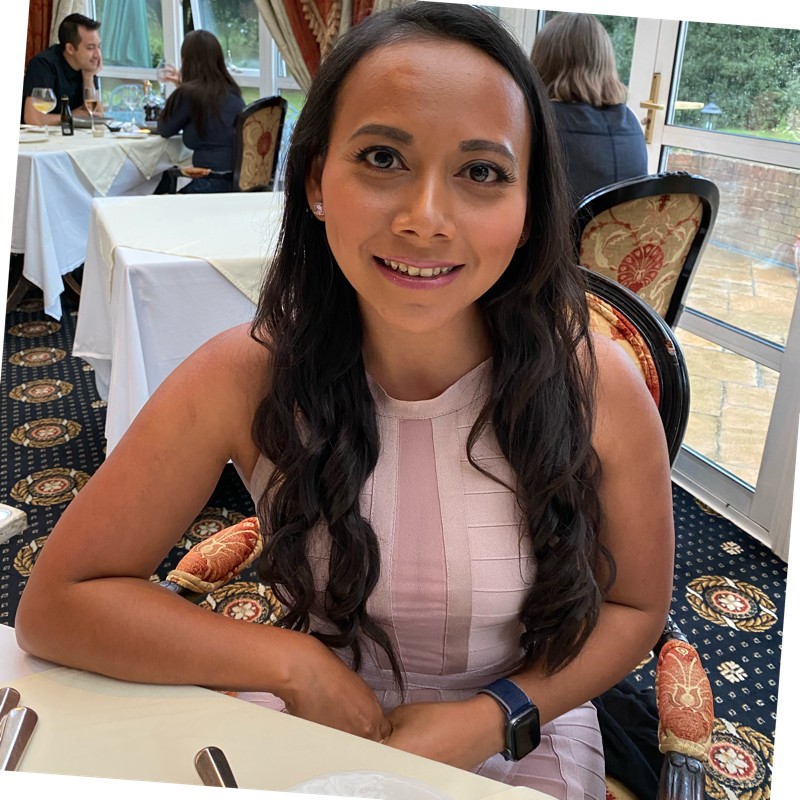
In PA Life’s Amazing Assistant series, we speak next to Yeang Nicholson, EA to CMO at Control Risks in London. We have chosen 15 outstanding assistants to mark each year in PA Life’s successful run so far…
How and when did you first learn about PA Life?
I can’t recall exactly, but I believe I first heard about PA Life through a PA show or a similar industry event. From there, I became more aware of it through its email newsletters and the wider assistant community
How did you land your first assistant job and how long did it take you to climb to your current Senior EA role?
After leaving college, I attended countless interviews before getting my first break as an Office Junior with a publishing company. Two years later, I joined my current company as an Administrator. I always knew I wanted to become a PA, so I moved between different teams, gaining experience and waiting for the right opportunity. Five years later, that opportunity came, and I secured my first PA role.
At the time, I hadn’t given much thought to what the next step beyond PA might look like. As my responsibilities grew and the role evolved, so did my career. When the executive I supported was promoted to a C-suite position, I was also promoted to Executive Assistant.
What have been the biggest changes in the role of an assistant since your early days?
Definitely a lot less printing and paperwork! For me personally, one of the biggest changes has been the increased focus on building relationships with stakeholders and vendors, as well as taking on more project management responsibilities. While diary management and travel bookings are still a key part of the role, these tasks have become much more streamlined and efficient, giving assistants the opportunity to contribute in more strategic and varied ways.
Have peer networks, such as the PA Life Club, influenced your personal and professional development?
I haven’t been part of the network long enough to fully assess its impact, but it has already started to broaden my perspective on my own development and the areas I should focus on. It has encouraged me to think more intentionally about my career growth, and I’m hopeful that being part of the network will continue to highlight opportunities for learning, development and professional progression in the future.
What impact do you think PA Life has had on shaping the UK’s assistant community?
I think it creates a strong sense of community, giving us a place to connect, share experiences and learn from one another. It’s also an opportunity to step away from the day-to-day demands of the role and focus on personal and professional development. For me, one of the biggest highlights has been the FAM trips. As someone who particularly enjoys event planning, they offer fantastic learning opportunities, and they’re always so well organised that they’re a pleasure to attend.
What sets PA Life and the PA Life Club apart from other assistant networks or professional communities?
PA Life is my first experience of joining a professional network outside of my own company. I wasn’t quite sure what to expect, but I’ve found it to be incredibly interesting, useful and welcoming. It’s helped me realise the benefits of building a wider professional network, something I hadn’t previously considered, and has encouraged me to step outside my comfort zone in a really positive way.
What are your best memories of your time as the PA Life Club member?
The day at Balfour Vineyard was definitely a highlight – it was such a beautiful day and a fantastic opportunity to connect with other assistants. That said, I think I’ll remember fondly my very first PA Life Club event, which was the Christmas party. I attended not knowing anyone, so it was reassuring to meet others in the same position. It reminded me of the value of networking – while it can feel a little daunting at first, it’s also incredibly rewarding. Plus, the band at the party were absolutely amazing!
Looking at the future, where can assistant networks add most value and support amazing assistants such as yourself?
I think assistant networks can add the most value by creating opportunities to share knowledge, experiences, and best practices. The chance to learn from one another, particularly around new skills, technologies, and ways of working. For example, it has been great to hear how other assistants are finding and using Copilot and comparing it to my own experience.
Are you worried that the number of EA and PA positions will be cut?
To some extent, yes. I believe there will be a reduction in traditional EA and PA roles as companies continue to adopt new technologies and more efficient ways of working. However, I also see the role evolving rather than disappearing, with greater emphasis on strategic support, project coordination, stakeholder management, and leveraging technology.
How do you see your role changing in the next 5 to 10 years?
I see the role becoming increasingly forward-thinking and having to be more adaptable, with a greater focus on embracing new technologies and ways of working. As the company continues to prioritise efficiency and productivity, the role will likely evolve to take on new responsibilities, streamline processes, and support more strategic initiatives.
You can connect with Yeang on LinkedIn.