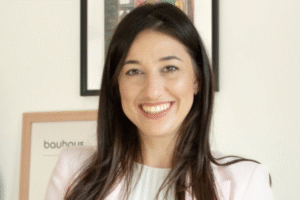




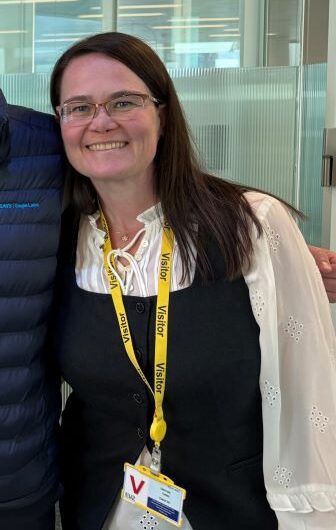
The 15th anniversary year celebrations are taking shape here at PA Life. Part of marking this milestone year we are featuring 15 amazing assistants. Our next amazing assistant is Candice Nielsen, Executive Assistant at Barclays in London…
You have been a PA Life contributor and Club member for 12 years. What are your earliest memories of PA Life?
I believe I have been a PA Life member since I started with Barclays back in 2014 so 12 years this year. The Director I was working with signed me up and my very first magazine (which I think I still have) was on my desk the day I started.
How has the role of an assistant changed since your early days?
Modern EAs and PAs are true business partners. When I first started, the role was often perceived as mostly administrative; diary management, travel, expenses, and general support. While those elements still exist, the role today is far more strategic and commercially aligned. We’re now much more directly involved in, and a part of, decision-making, stakeholder management and project delivery. There’s also a much greater expectation around emotional intelligence, influencing skills, and the ability to manage competing priorities at pace. Technology has also transformed the role, enabling us to automate routine tasks and focus on higher-value work.
What role has a peer network such as the PA Life Club played in your personal and professional development?
Being part of a peer network like the PA Life Club has been invaluable. It provides a sense of community in what can sometimes be an isolated role. Having access to peers who share experiences, challenges and solutions has helped me grow both professionally and personally. It’s also been a great way to stay connected to best practice across the industry, and to build relationships. I have made some lifelong connections at PA Life events.
What impact do you think PA Life has had on shaping the UK’s assistant community?
Over the past 15 years, PA Life has played a significant role in elevating the assistant profession in the UK. It has helped shift perceptions from viewing assistants as purely administrative support to recognising them as strategic contributors. The combination of the platform and print magazine has created visibility for the profession, highlighted career pathways, and shared success stories that inspire others. It has also helped standardise conversations around development, skills and progression.
How has having access to free resources—exclusive industry offers, events, mentoring, and training—helped you stay ahead in your profession? Access to resources such as events, training, mentoring, and industry offers has been a real advantage. It allows assistants to continuously develop without barriers, which is especially important in a role that is constantly evolving. These opportunities have helped me stay current, build new skills, and bring added value back into the business.
What sets PA Life and the PA Life Club apart from other assistant networks or professional communities?
What sets PA Life apart is its focus on community and genuine connection. It’s not just about content it’s about creating meaningful experiences. The events are thoughtfully curated, the network is supportive rather than competitive, and there’s a real sense of inclusivity. It feels like a platform built by people who truly understand the assistant role.
Looking at the future, where can assistant networks add most value?
Looking ahead, assistant networks can add the most value by focusing on career progression and supporting members with upskilling in areas that will be critical moving forward. This includes:
- Supporting assistants in developing strategic and leadership skills
- Providing guidance on emerging technologies and AI
- Offering clearer career pathways beyond traditional EA roles
- Creating opportunities for cross-industry collaboration
What would you like PA Life Club to offer more, or do better?
If anything, I’d love to see even more focus on advanced development sessions around leadership, influencing at senior level, and transitioning into broader business roles. More mentoring opportunities and peer-led discussions would also be valuable, particularly for those looking to take the next step in their careers.
Looking ahead, how do you see the Executive Assistant role evolving?
The EA role will continue to evolve into a highly strategic position. We’ll see more assistants acting as business managers, project leads, and trusted advisors. Technology and AI will handle more of the transactional work, freeing up time for higher-value contributions. The role will require adaptability, commercial awareness, and strong interpersonal skills.
Are you worried that the number of EA and PA positions will be cut?
Organisations will continue to need skilled professionals who can manage complexity, build relationships, and support senior leaders effectively. Those who continue to develop their skills and embrace change will remain highly relevant and in demand.
You can read more PA Life’s 15th anniversary year Amazing Assistant interviews here.