

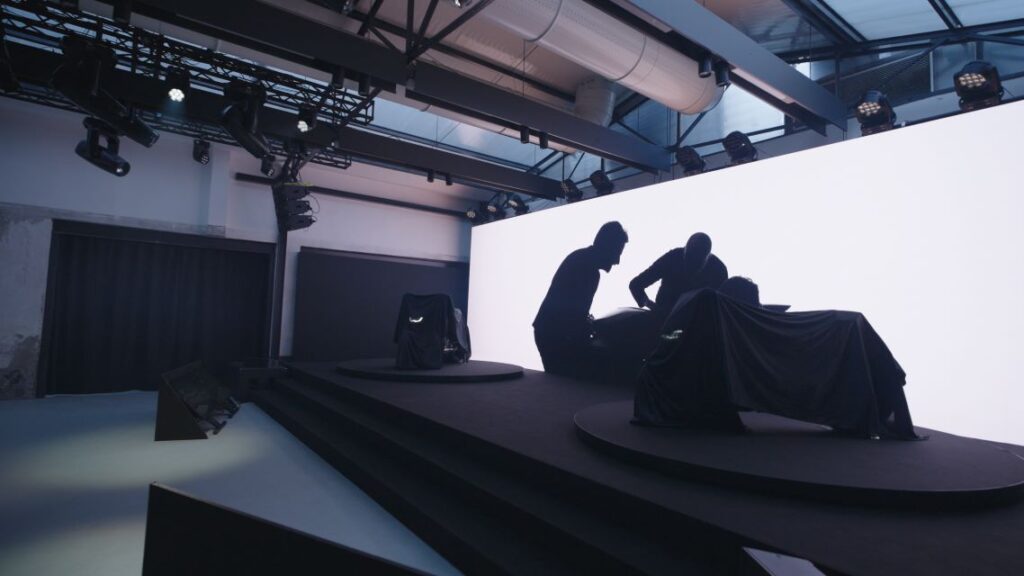
When budgets are under pressure, it’s tempting to think that creating a premium event means adding more. More screens, more lighting, more staging. But what if the secret to creating greater impact is knowing what to leave out?
Every event organiser has been there. The venue has been booked, the agenda is taking shape, and the production discussions begin. Before long, the wish list starts to grow. Another LED screen would look impressive. More branding would make the room feel impactful. A larger stage would create a stronger presence. Someone suggests moving lights because “they’ll look great”.
On paper, every addition makes sense. Collectively, however, they can have the opposite effect.
According to Paul Nicholls, Creative Director at Branchout Productions, one of the biggest challenges in event design isn’t finding more things to add – it’s having the confidence to stop.
“People naturally think that creating a premium event means filling the space,” he says. “In reality, some of the strongest environments we’ve designed have come from asking a much simpler question: what can we remove?”
It’s a philosophy that’s becoming increasingly relevant for PAs and EAs. With budgets under greater scrutiny and expectations continuing to rise, organisers are constantly looking for ways to create memorable experiences without unnecessary expenditure. The good news is that thoughtful design can often achieve exactly that.
More isn’t always better
One of the biggest misconceptions in live events is that impact comes from quantity. More technology. More scenery. More colour. More movement. But audiences can only take in so much information before everything begins competing for their attention.
“We’ve all walked into events where there’s a screen everywhere you look, branding covering every available surface and so much happening visually that you don’t know where to focus,” says Paul. “Everyone involved has added something because they want to improve the event, but sometimes those additions actually dilute the experience.”
Good design creates clarity. It guides the audience naturally towards what matters most rather than asking them to process everything at once.
“It’s a bit like good wayfinding at an airport,” Paul explains. “Nobody walks through Schiphol Airport thinking about how brilliant the signage is. They simply know where they’re going. That’s because someone has spent a huge amount of time removing unnecessary information rather than adding to it. Great event design works in exactly the same way.”
Premium isn’t about spending more
For organisers working within fixed budgets, there’s another misconception worth challenging. Expensive doesn’t automatically mean premium.
“In our industry, people often assume premium comes from bigger budgets,” says Paul. “Actually, premium comes from confidence. It comes from making considered decisions and making every element earn its place.”
He recalls countless venue visits where the first suggestion has been to hide the room behind scenic construction.
“I’ve lost count of the number of times someone has said, ‘Let’s cover that wall with a set.’ My first question is always, ‘Why?’ If you’ve chosen a venue because it has beautiful architecture, exposed brickwork or fantastic natural light, why spend money hiding it?”
Instead, he believes organisers should look for opportunities to work with the venue rather than against it.
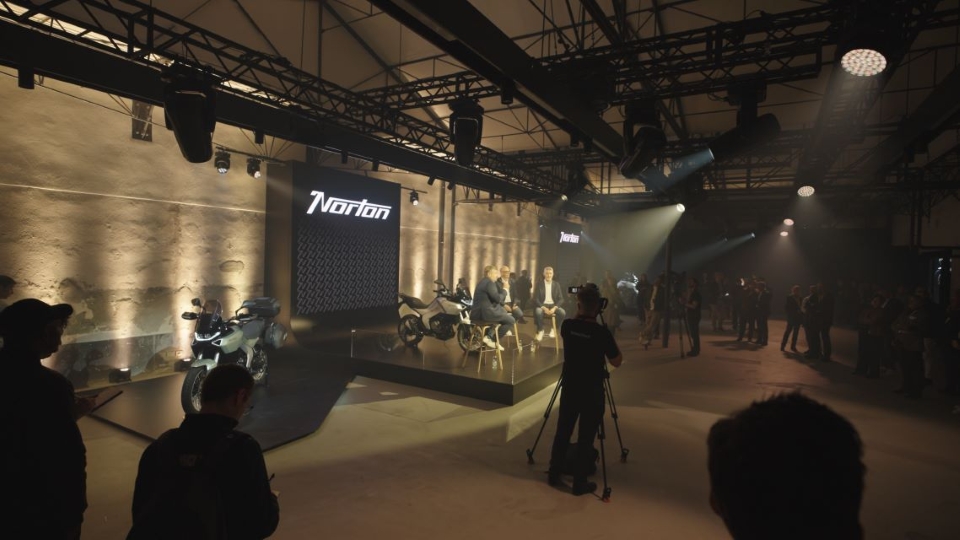
“A beautifully lit architectural wall can often create far more atmosphere than an expensive scenic build. Sometimes all a room needs is carefully considered lighting to completely change how it feels.”
It’s a reminder that production isn’t always about adding. Sometimes it’s about revealing what’s already there.
Every element should have a purpose
That same philosophy applies across every aspect of an event. From staging and lighting through to presentations and branding, Paul believes every decision should answer a simple question… Why is this here?
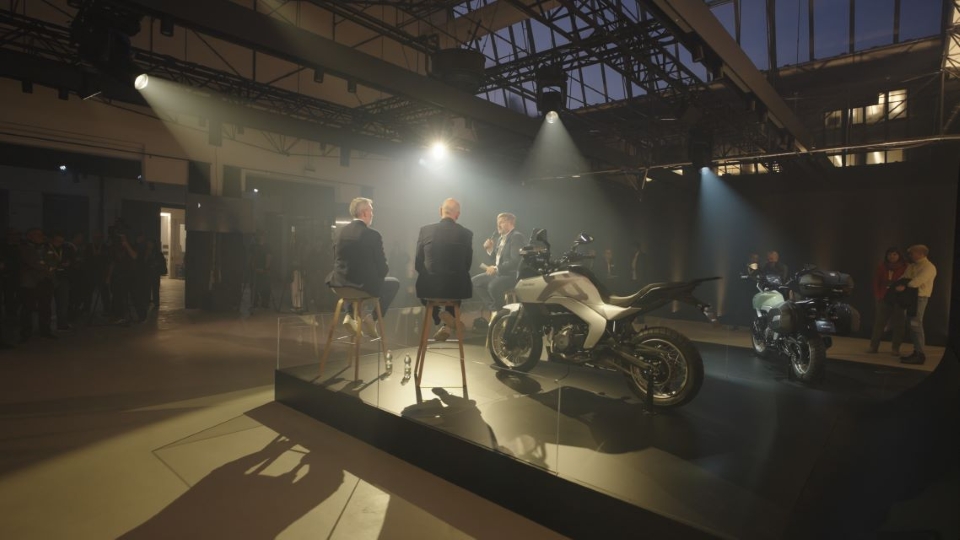
“We’re certainly not saying don’t use technology,” he says. “We love technology. But it should always support the story, not become the story. Just because you can specify another moving light or another screen doesn’t mean you should.”
It’s advice that can save both money and stress. When every production element has a clear purpose, decision-making becomes simpler. Budgets are easier to prioritise, and stakeholders are more likely to understand why certain ideas add value while others don’t.
Ultimately, it’s about quality rather than quantity.
The confidence to do less
For many PAs and EAs, the pressure to impress can sometimes lead to the feeling that every available budget line should be spent. Yet Paul’s advice is refreshingly simple.
“Don’t judge your event by how much you’ve managed to put into the room,” he says. “Judge it by how your audience experiences it.”
If delegates leave feeling inspired, engaged and focused on the messages that mattered, the design has done its job. The reality is that most audiences won’t remember how many lighting fixtures were used or the size of the LED screen. They’ll remember whether the event felt polished. Whether it flowed naturally. Whether it reflected the brand with confidence.
As Paul puts it: “The best event design is almost invisible. People don’t notice it because everything simply feels right.”
For organisers looking to make budgets work harder, that’s perhaps the most valuable lesson of all. Sometimes creating more impact doesn’t mean adding more. It simply means having the confidence to do less.
Planning an upcoming event? Talk to the team about how they can bring it to life.
For more inspiration, ideas and the latest updates from the events industry, explore our Events News section.