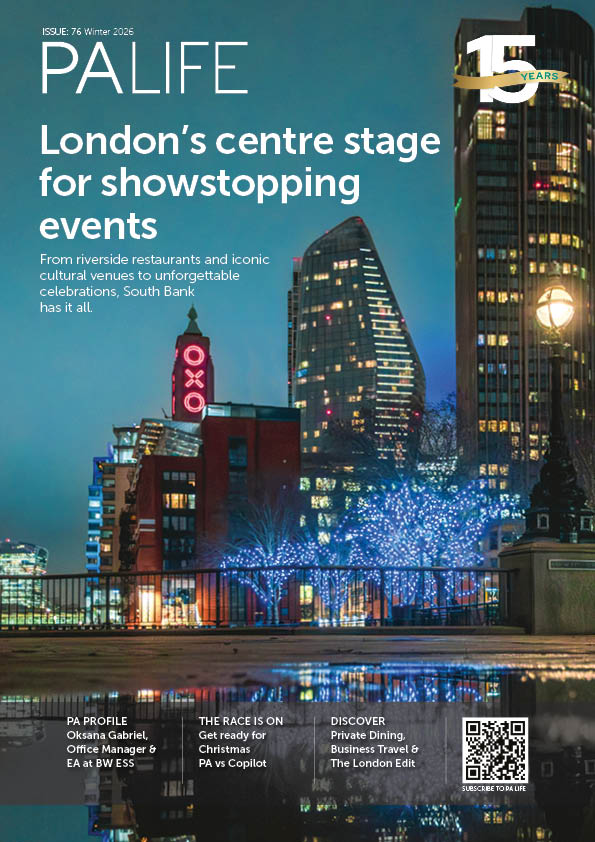




In our recent PA Life Summer 2026 Issue we talk to Claudine Martin, a driven executive support professional who’s spent close to 17 years in the British Army, majority of this time as a soldier. She was even deployed in Iraq for 6 months before requesting to work as a PA at the MoD…
Since her army days, Claudine has carved herself a great role as a Senior EA within financial services, still finding time to support fellow assistants as a mentor. Her role as one of the PA Life Club mentors is much appreciated and praised, and won her the Mentor Star Award in the PA Life Star Awards 2025. – the 2026 Star Awards are now open for nominations, closing on 18 September…
First of all, congratulations for winning the Mentor Star 2025 award.
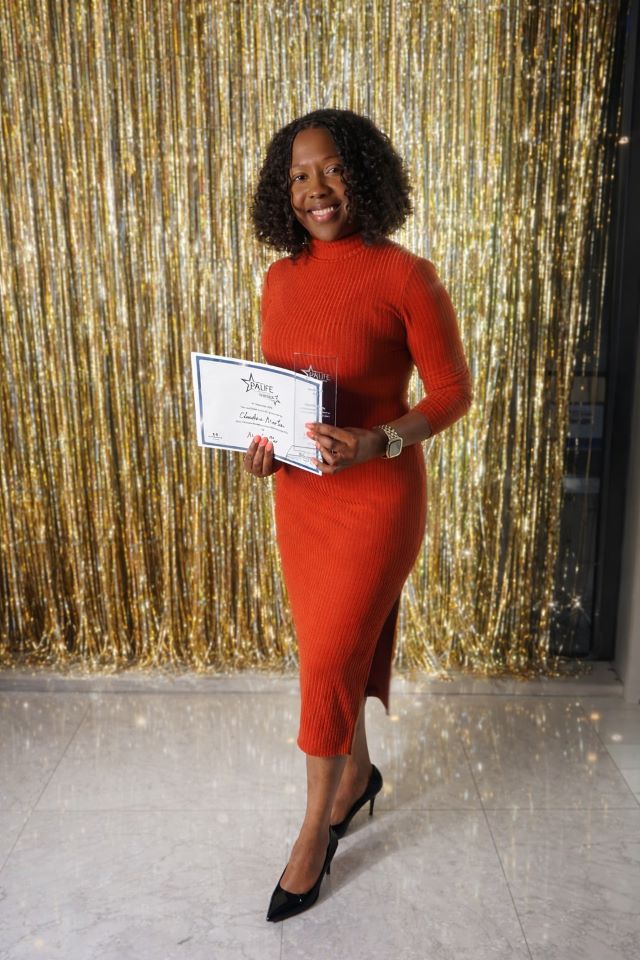
What does a professional recognition such as this mean to you?
I’m truly honoured to receive this award and thankful to PA Life for acknowledging my contributions. It means a great deal to me to be able to support others as they explore their career journeys.
What makes you a great mentor, and would you encourage others to join the PA Life Mentoring Programme?
I am dedicated to mentoring and committed to supporting my mentee. I strongly recommend the PA Life Mentoring Programme, as it offers mutual rewards and chances for growth and learning.
You had a long career in the army. What are the best skills you bring from that to your current role?
Military service gave me adaptability, resilience, problem-solving abilities, leadership, and strong communication skills I now apply in my current role.
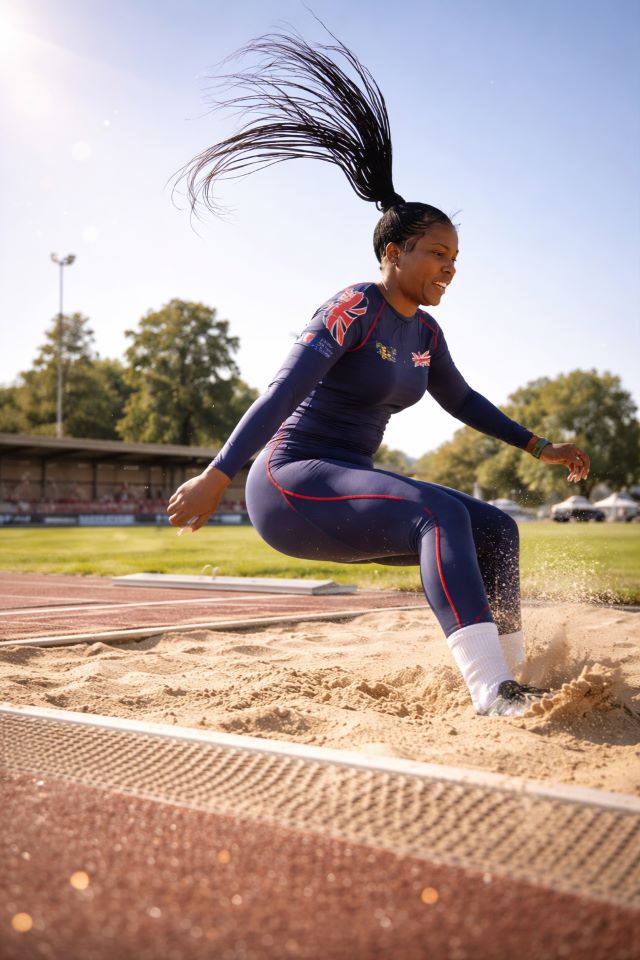
Claudine at the 2023 Invictus Games in Germany
What do you enjoy most in in a Senior EA role? And how big is the jump from an entry level EA to a Senior EA position?
What I enjoy most about being a Senior EA is the variety and complexity of the work. Every day brings new challenges and opportunities to make a meaningful impact, whether it’s managing high-level projects, coordinating with senior stakeholders, or supporting my team.
There’s a real sense of responsibility and trust that comes with the role, and I find it rewarding to use my experience to help drive success for the organisation.
The jump from an entry-level EA to a Senior EA is significant. It’s not just about having more tasks or responsibilities; it’s about developing a strategic mindset, building strong relationships, and demonstrating leadership. You need to be proactive, adaptable, and able to manage competing priorities with confidence. The transition requires ongoing learning and a commitment to personal and professional growth, but it’s incredibly rewarding to see how far you can progress and the difference you can make within the business.
And what are the most challenging parts of being an EA?
As EAs we faced different challenges, however, EAs often face isolation and perception challenges, positioned between regular staff and executives—close to leadership but not part of either group
What three qualities make you an outstanding EA?
Content switching – As an EA it is important that you are prepared for the vibe of the meeting and not just the content.
Discretion – Providing total peace of mind when the pressure gets high.
Proactivity – Being able to anticipate the ‘why’ and the ‘what’.
What advice would you give to aspiring assistants aiming to climb the career ladder?
To move from junior to senior EA, adopt a strategic partner mindset instead of just a service role. Build your network, as strong relationships with other assistants are key to your influence.
Are you concerned about any aspects of AI in your role and in business in general?
AI drives future technology; as EAs, we should embrace it and learn as much as possible to make a difference in the business.
Which tools, or tech do you rely on most in your role, and how do they help you stay efficient and organised?
I often use Copilot to optimise tasks and efficiently manage my responsibilities.
How would your ideal day at work look like?
My ideal day at work would start with a clear plan and priorities set, enabling me to approach each task with focus and efficiency. I would begin by reviewing my calendar and emails, making use of tools like Copilot to optimise my workflow and ensure nothing slips through the cracks. Throughout the day, I’d enjoy collaborating with colleagues, solving problems, and supporting my team. I like to dedicate time to professional development—whether it’s learning something new about technology or sharing knowledge with fellow assistants. Ideally, the day would include a few opportunities to make a positive difference, whether by streamlining a process or helping someone overcome a challenge. Finishing the day with a sense of accomplishment, knowing I’ve contributed meaningfully and stayed organised, would be the perfect end to my working day.
Which restaurants and hotels do you favour for your execs and clients, in London or anywhere else?
Hawksmoor is one of my favourites, as well The Ned.
If you weren’t an EA today, what would you be?
News reporter or TV presenter
What are the positives of being a PA Life Club member for you?
Career development and mentoring, curated updates on industry news and peer connection.
How important is networking for you? Any tips?
Networking can lead to valuable opportunities and relationships. Stay open-minded and always be authentic.
What’s the best advice you’ve been given?
My grandmother frequently shared the saying, “If you can’t hear, you will feel,” during my childhood. As an adult, I have come to appreciate and understand the significance of her words.
What do you enjoy doing outside of work?
I like travelling, going to the gym, and participating in parkruns on Saturdays.
What’s next for you?
Pursue ongoing professional and personal growth and widen my network.
You can connect with Claudine in LinkedIn