



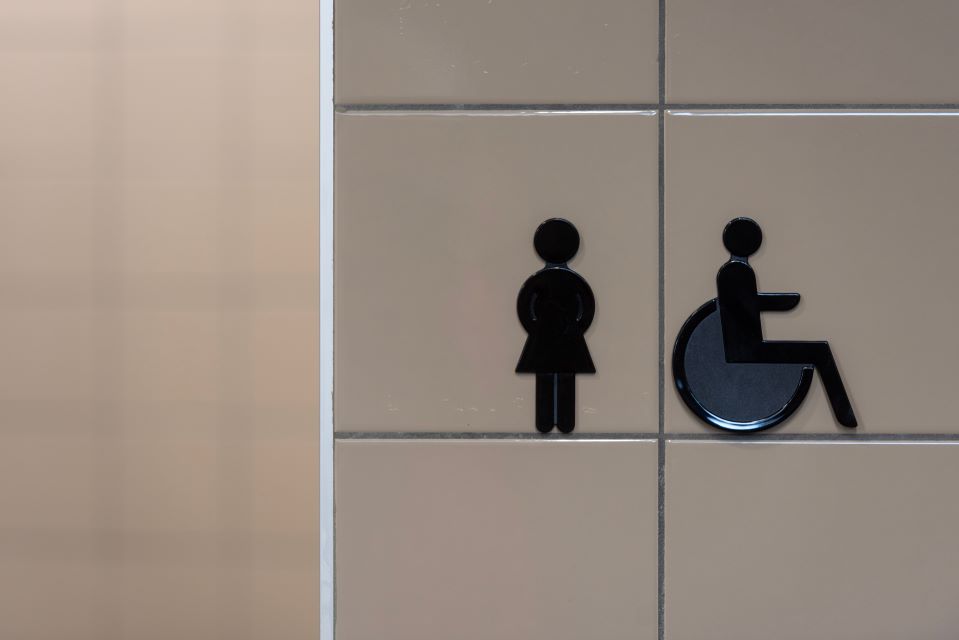
Accessible signage plays a critical role in fostering inclusion and independence in professional environments. Thoughtfully designed signs help ensure that all staff and visitors can navigate workplaces with confidence and dignity. As accessibility receives greater attention in building management, the importance of clear and effective signage is growing.
For Office Managers and Executive Assistants, understanding the principles behind accessible signage is essential to creating an environment where everyone feels welcome. From arrival at reception to finding the nearest accessible toilet or meeting room, custom signs from signomatic.co.uk offer a wide range of options tailored to suit different workplace requirements. The website provides an online platform where you can explore and order bespoke workplace signage that supports accessibility standards. Attention to signage reduces barriers and contributes to a culture of respect, making accessibility a natural part of everyday workplace life.
Understanding why effective signage supports access
Accessible wayfinding is more than just a compliance checklist. It helps everyone feel confident and respected in unfamiliar surroundings. By addressing differing needs with clear directions and information, workplaces foster greater independence and inclusivity.
Many office environments have pinch points where accessibility issues often arise, such as at building entrances, corridors, lifts, toilets, and communal workspaces. When you anticipate these challenges and provide effective signs, both regular occupants and visitors benefit from smoother journeys through the workspace.
Practical features of accessible signage in offices
Implementing accessibility starts by using plain language and widely recognised symbols that everyone can understand. Predictable sign placement, along with logical wayfinding paths, helps users who may become disorientated.
Consider mounting signs consistently at a readable height and ensuring nothing obstructs important directional cues. Regularly reviewing these placements also helps maintain reliability, which is useful as teams adapt spaces for hybrid or flexible working arrangements.
Adopting clear design methods for better readability
Choosing high-contrast colour combinations and finishes that reduce glare is fundamental for accessible signage. When font style, size, and viewing distance are selected with care, people can process information more easily.
For example, legible sans-serif fonts free from decorative flourishes are widely recommended. Additionally, incorporating plain-English terms and avoiding jargon simplifies messaging for everyone.
Tactile and braille elements boost inclusivity in signage
For tactile and braille users, raised lettering is most effective when used for essential navigational or safety information. It is crucial to follow correct placement and size guidelines so that tactile details remain easy to locate and read by touch. Main corridors, lift controls, and toilets often benefit from tactile signs, providing extra reassurance for those who rely on non-visual cues.
Braille may be added where people with limited or no vision frequently travel. Adding braille that follows relevant standards can make signs more useful. When tactile features are combined with visual clarity, signage can guide a broader audience.
Maintaining signage through routine checks and governance
Ensuring accessibility is not a one-off project. Signs require ongoing maintenance, especially during office moves, layout changes, or rebranding exercises. Allocating responsibility for approving new signage and scheduling regular reviews helps prevent outdated or ambiguous instructions.
Effective version control helps teams stay organised, reducing the risk of duplicate or incorrect signs. Checking mounting height, lighting, and obstructions supports daily usability. You can consult guidance on accessibility requirements and standards published by the UK government to ensure your signage approach meets current regulations and best practice for workplace access.
How Office Managers and EAs can implement an action plan to prioritise accessibility
Begin with a simple signage inventory, noting all points where new or updated signs could improve access and independence. Prioritise areas that see the highest footfall or where navigation difficulties have been observed, using a phased rollout approach for manageable implementation.
Coordination across facilities, HR, and health and safety teams streamlines the process, keeping everyone aligned while avoiding unnecessary complexity. By remaining proactive in reviewing and refreshing accessibility signage, you help establish an inclusive culture that benefits all users.
Have you read our latest PR Profile interview yet? We speak with Oksana Gabriel, Office Manager & EA at BW ESS.