

Laura Taylor an award-winning LinkedIn strategist and founder of Social Flow Collective, and a former Executive Assistant, discusses why LinkedIn can for many EAs and PAs feel like something that belongs to other people. Her exclusive article for PA Life was first published in our Summer 2026 Issue…

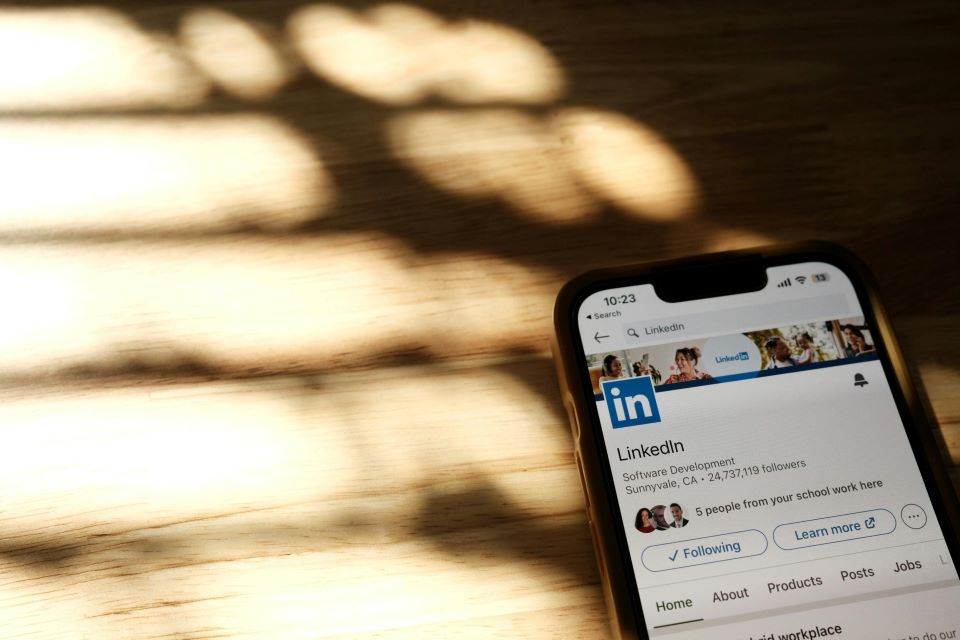
LinkedIn is often associated with senior leaders, recruiters, or loud self-promotion, none of which naturally align with a role built on discretion, competence and getting things done behind the scenes. If managing LinkedIn has never been part of your job description, it’s easy to assume it’s not relevant to you.
But LinkedIn isn’t just about self-promotion or updating your profile when you’re looking for your next role. Used well, it’s a professional record, a visibility tool, and a way of making your expertise legible beyond the organisation you currently work for.
Visibility without self-promotion
Reinvention doesn’t always mean changing careers. Sometimes it means being seen more clearly for the work you already do.
PAs and EAs manage complexity every day. You operate at pace, handle sensitive information, solve problems quietly, and often act as a bridge between leadership and the wider organisation. The challenge is that much of this expertise remains invisible outside your immediate environment.
LinkedIn gives you a place to document that experience in your own words, rather than being defined solely by the executive you support.
A practical blueprint for EAs and PAs to get started on LinkedIn
1. Decide what you want to be known for
Before changing anything on LinkedIn, step back. What are the skills people consistently rely on you for? Is it operational leadership, stakeholder management, project delivery, crisis handling, or something else? Reinvention starts with clarity.
2. Let your profile do the heavy lifting
Think of your LinkedIn profile as a working document, not a static CV. Your headline and summary should explain how you add value, not just list your job title. Focus on outcomes, not tasks.Add some personality to stand out.
3. Write in your own voice
You don’t need corporate language to sound credible. Writing in the first person allows your profile to feel human, grounded and confident. It is your digital reputation so, make it sound like you.
4. Build visibility before creating content
You don’t need to post regularly to benefit from LinkedIn. Commenting thoughtfully, engaging with your peers and colleagues by adding to conversations all build presence without pressure.
5. Think beyond your current role
Your job today is not your entire career. LinkedIn allows you to build a professional identity that moves with you, regardless of changes in organisation, leadership or direction.
You don’t need permission to invest in your own professional visibility. You don’t need to be loud, performative, or constantly online.
But staying invisible has a cost.
LinkedIn, used intentionally, can support reinvention on your terms. Quietly. Strategically. And in a way that still feels like you.
You can connect with Laura in LinkedIn.
And see more on Social Flow Collective.