



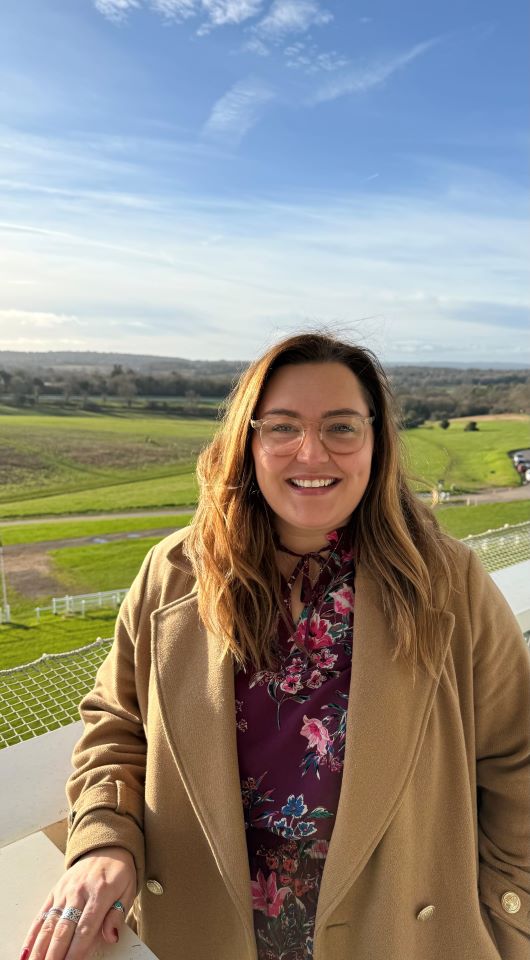
PA Life hears from Tash Stone, National Business Development Manager, The Jockey Club Venues, about a hot topic of how the changing delegate behaviour is re-shaping the corporate events landscape…
Delegate behaviour is changing
Why is that important? The business events industry generated an estimated £19.3billion in direct expenditure in 2024, with more than one million conferences and meetings taking place across the UK – the highest figure in five years. As events professionals, if we want to keep that number on an upward trajectory then we need to make sure we know what delegates want.
With 15 award-winning venues in The Jockey Club Venues portfolio, hosting everything from conferences and product launches to live events and outdoor experiences, we can tell you first-hand that, in 2026, it’s out with the old and in with the new. Passive attendance has given way to active participation, large-scale conferences are increasingly being complemented by micro-events, and one-size-fits-all experiences are being replaced by personalisation and purpose. For organisers, the focus is no longer, “what do delegates need to know?” but “what do delegates want to feel, experience and take away from the event?”
Content to conversation
Simply consuming content is no longer a good enough justification for delegates to attend events. While education remains a key draw, information is everywhere for attendees, all the time – from podcasts to webinars and online platforms. What delegates increasingly value is the opportunity to actively contribute to the conversation rather than observe it from the sidelines.
This shift is driving demand for more interactive formats – think collaborative workshops, quick-fire presentations, dedicated roundtables and engaging Q&As, rather than drawn-out keynotes where attendees are expected to just sit and listen for the better part of an hour. From consuming content to shaping it, delegates want to connect, contribute and be challenged. As a result, attendee-driven content is becoming a defining feature of modern events – and it’s a trend that’s only accelerating, with interactive speaker formats increasing by a phenomenal 800% between 2018 and 2024 alone.
Masses to moments
At the same time, what is often referred to as “post-pandemic clarity”, is making delegates far more selective in how they spend their time. Events no longer feel mandatory and that means delegates expect genuine value from the events they do choose to attend. In 2026, this is contributing to the rise of smaller, high-impact events that deliver community, relevance and curated learning opportunities. While national conferences will always have an important role to play, the engagement, highly-tailored content and deeper relationships regional workshops, exclusive dinners and niche seminars, to name just a few micro-events, provide is increasingly attractive to delegates. Particularly when you consider just one in 10 employees in the UK feel engaged in the workplace.
This trend is also influencing the structure of larger conferences too. Organisers are increasingly building “micro moments” into their events. Whether that’s targeted workshops, breakout discussions or dedicated networking spaces, while the conference might be large, organisers are making sure the experience feels intimate.
Swamped to supported
While attendance may no longer feel mandatory, wellness at events is. With 80% of employees reporting greater loyalty to organisations that prioritise wellness initiatives, wellbeing is now seen by delegates as a fundamental part of the event experience. Back-to-back sessions and overcrowded agendas can be both physically and mentally draining and, with overwhelm equalling disengagement, for many delegates they’re actually counterproductive. From ‘wellness breaks’ and quieter networking spaces to natural lighting and menus designed to nourish concentration and energy levels as much as tastebuds, organisers are recognising that attendees are more engaged when they feel physically and mentally supported – and building space to breathe and re-charge into the event journey as a result.
Accessibility expectations are evolving too. Features such as dedicated quiet rooms, sensory maps and diverse speaker panels, to name just a few, are increasingly seen as a standard part of mainstream event delivery, not a hit-and-miss optional extra. Indeed, 68% of delegates say they are more likely to attend an event if it actively prioritises inclusivity – because it shows respect, awareness and a forward-thinking approach.
Sameness to specialisation
In much the same way streaming services, music platforms and other digital experiences tailor content to individual preferences, delegates now expect the same level of personalisation in their event journey too. Whether it’s flexible session choices, personalised agendas or AI-driven recommendations, attendees want greater control over how they engage with an event. With 45% of attendees more likely to attend a live event if they can customise their experience, personalisation is quickly becoming a baseline expectation rather than a differentiator.
Ultimately, delegates are looking for meaning and measurable value from the events they attend. This feeling of connection is vital in an atmosphere where expectations are higher and an invitation alone no longer cuts it. Personal outcomes are now the main metrics by which delegates judge an event – networking opportunities, professional development, relevance and relationship-building all play a role in determining whether an event feels worthwhile. In fact, 81% of attendees now cite networking as their primary reason for attending in‑person events.
Final thoughts on how corporate event delegates changing behaviour is shaping the industry
Successful events in 2026 will not simply deliver content, they will create experiences people genuinely want to be part of. The industry is moving away from attendance for attendance’s sake and towards events that feel more purposeful, more personalised and more human. Understanding that shift – and evolving accordingly – will be key to securing engagement in the years ahead.