


As a personal or executive assistant, you may not instantly recognise yourself as an event planner. But but when you consider the meetings, Christmas parties, incentive events and galas you’re often tasked with organising, it’s a role you’re already performing.
And in the same way that you wouldn’t necessarily label yourself as an event planner, your employer probably won’t either. This can create a gap in training and support—exactly where you need it most.
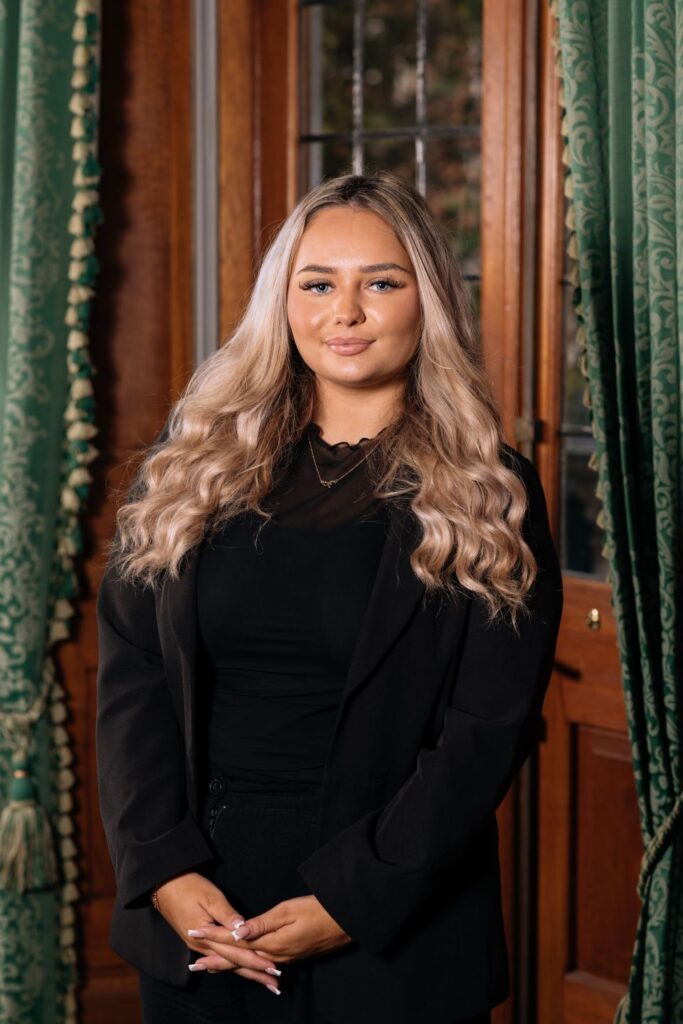
Church House Westminster are seeing more EAs and PAs as the primary contact for event bookings. Grace Brennan, Event Coordinator at Church House Westminster has written a 5-step guide for PAs and EAs to planning a successful event. One of the key takeaways is to emphasize that EAs and PAs can lean on their venue team, or your chosen venue for extra support.
Step 1. Start with outcomes, not logistics in the planning stage
This may feel unfamiliar, because you’ll naturally be a logistics pro, but for events you’ll need to reframe the brief. Start by considering what the event is for, specifically it’s goal or desired outcome. Is it a networking event, a celebration, or perhaps designed to prompt industry change or decision-making?
Using this as your starting point allows venues to optimise space and flow far more effectively. For example, will you need to livestream sessions to international stakeholders, or would a networking event benefit from outdoor or heritage spaces that encourage conversation and longer dwell time?
From here, consider what success looks like in measurable terms. For example, when CVENT asked full-time event planners which KPIs they use most to evaluate success, the top responses were attendee engagement (34%), event feedback and satisfaction (34%), and attendance (31%).
Depending on which metrics matters most to your organisation, the event format should adapt accordingly to support that outcome.
Step 2. Be picky with your venue choice: search beyond capacity and cost
While cost will always be a major factor, it shouldn’t be the only one, if you can help it. This is something full-time event planners know and practice, as seen with 94% of planners [saying that] they’re willing to pay more for a preferred venue – according to CVENTS report.
This is because there are other elements that will significantly influence your ROI and overall success of your event, such as layout, a striking characterful venue that ‘wows’, and how the guest experience will flow from registration through to sessions and networking.
Be sure to quiz venues on the following (and don’t be afraid—it’s what they’re there for):
- Is the AV built in or is it outsourced?
- What will the staffing ratios be, and what is the service style?
- Are there any constraints, such as sound limits or access restrictions?
- What are their sustainability credentials? NOTE: this needs to go beyond the banning of single-use plastic use in the venue i.e. what do they do for the social and governance side of sustainability – not just environmental impact?
Step 3. Ask questions to unlock hidden value
And while we’ve opened the question floodgates, make sure you’re using them to maximise spend, and to help you gather the information needed to fairly compare venues.
Some of the most helpful questions we’ve seen clients ask include:
- “What’s included that people often don’t realise they can use?”
- “What would you do differently if this were your event?”
- “What are the cost trade-offs between different room setups or timings?”
These kinds of questions can uncover added value and help you make more informed decisions.
Step 4. Collaboratively design the delegate experience with the venue team
Position the venue as a collaborator, and use the team as you would a colleague, to bounce ideas off of, ask questions and to tap into their experience.
They deliver events every day and have likely seen every format come through their doors, and they’ll want your event to succeed as much as you do. In our experience, the strongest events happen when planners treat the venue as an extension of their team. Following an event hosted at Church House Westminster for executive assistants in partnership with the London Chamber of Commerce, one organiser reflected that the team were “incredibly efficient, supportive and proactive”, helping make the event “smooth sailing and as stress-free as possible.”
It’s also important to plan for accessibility. This goes beyond wheelchair access—consider lighting, noise levels, quiet spaces and dietary requirements. Capturing this early allows the venue to deliver a far more thoughtful experience for all.
Step 5. Never skip the post-event debrief
With a busy workload, it can be tempting to tick the event off and move on. But skipping the debrief is a missed opportunity. Planning another event will likely come around sooner than you expect (especially if this one was a success!) so capturing learnings is key.
A good starting point is to ask the venue team:
- “Where did we create pressure points?”
- “What would you change next time?”
Similarly, we’d advise you do the same to attendees, garnering their feedback to understand their experience and what did and didn’t work for them. Taking on this feedback will not only make future events easier, but also help build stronger partnerships, and may even open the door to better rates.
Ultimately, while event planning may not sit neatly within your job title, it’s increasingly a core part of the PA and EA role. By focusing on outcomes and building strong relationships with your venue partners you can move beyond simply delivering an event to creating something genuinely impactful. And with each event, the insight you gather will only make the next one more successful.